


Posts: Share Updates With Your Club, Teams, or Groups
We are excited to release Posts, a highly requested feature which is essentially a shared feed inside your XPS...
Read More
The bigger a club gets, the harder it is to keep everyone moving in the same direction. That’s the topic of our latest XPS Stories episode.
Plans sit on different computers. Good sessions disappear when coaches leave. Players hear one thing in a meeting, then struggle to remember it six weeks later.
For Stjarnan FC, one of Iceland’s largest football clubs, the answer has been simple: make the work visible.
Coaches share their plans. Players can see what they are working on. Feedback, video and performance data stay connected.
The result is more accountability across the club, without adding more meetings or admin.
At Stjarnan, coaches from U13 upwards enter their training plans at least one week in advance. They work in six-week blocks. This helps connect the work being done across the U15, U17, U19 and other teams.
For Páll Árnason, Head of Youth Development, that simple habit matters. “For me, it makes the coaches take accountability for having everything in XPS.” It is not about checking up on coaches. It gives everyone a better view of the work.
Coaches can see what others are doing. Sporting leaders can follow how the club’s ideas are being used. Players arrive knowing what the session is about.
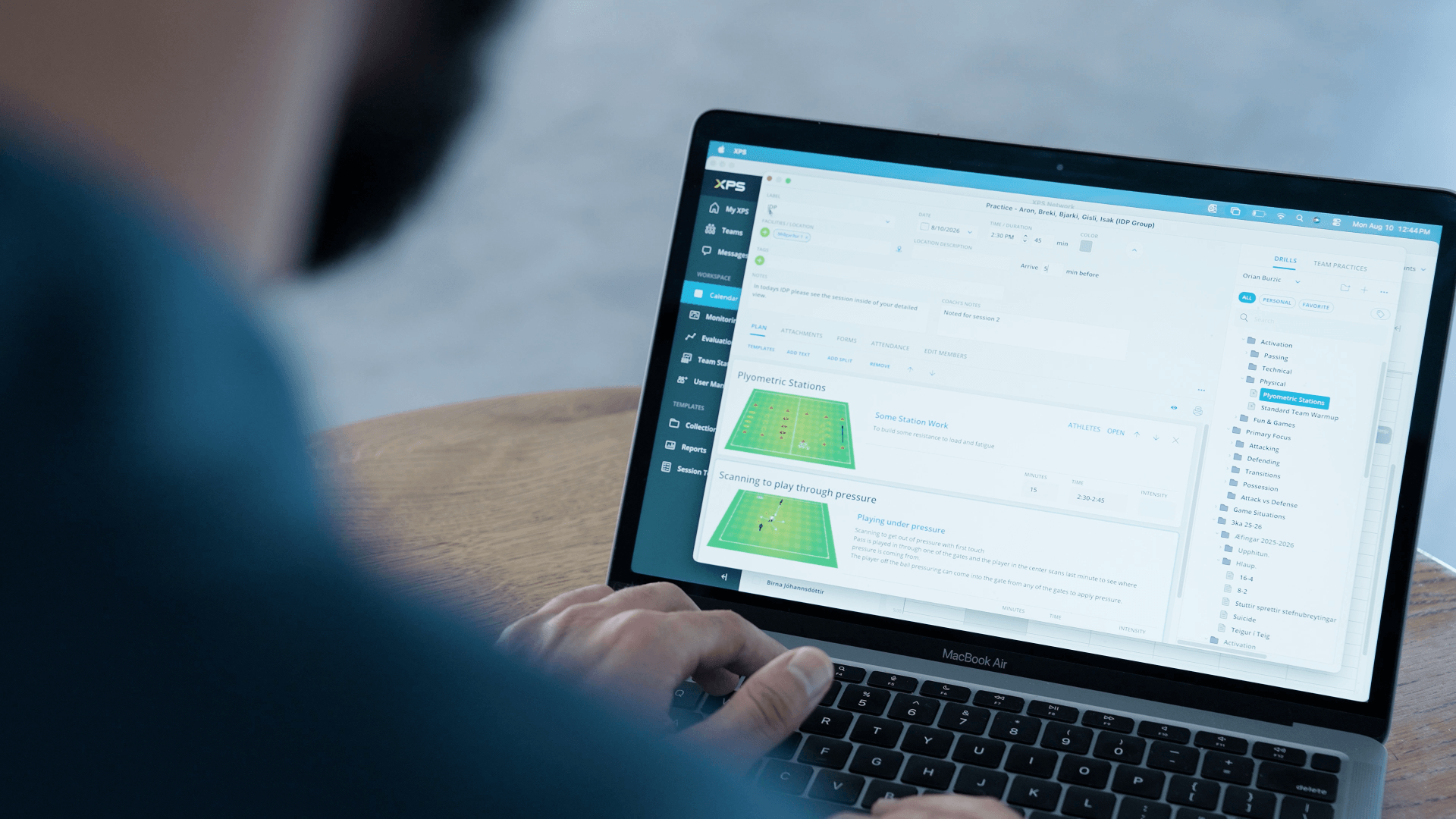
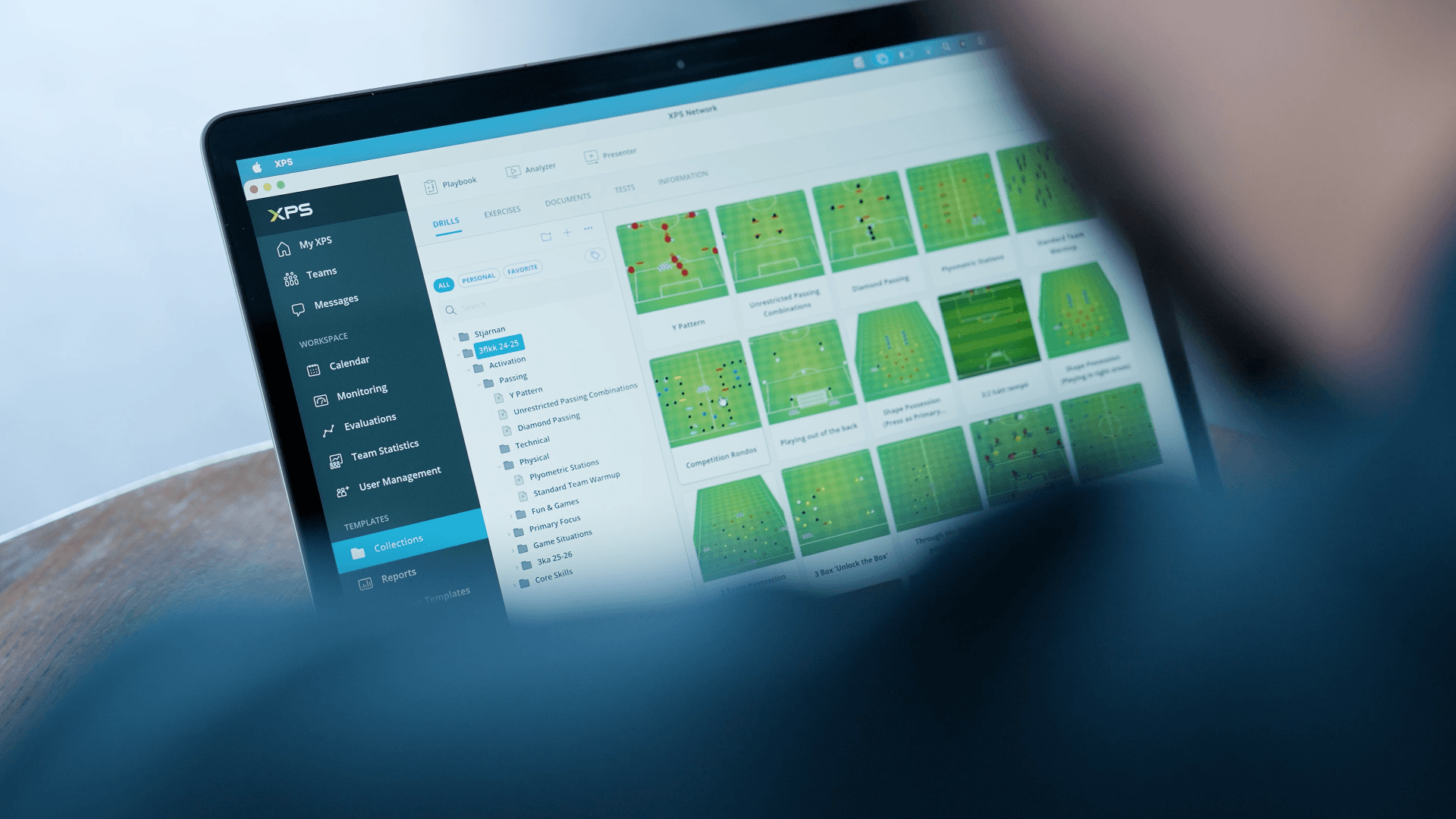
Stjarnan has also built a shared library of sessions and coaching material. When a coach creates something useful, it does not stay on one laptop or disappear when that coach leaves.
This is especially helpful with the club’s tactical periodisation work. A coach planning a session around a certain part of the game can look at how other teams have trained it before.
As Þórir Karlsson, Operations Manager and U14 Coach, explains: “It’s really simple for every coach to go into collections and check out sessions other coaches have made for specific tactical parts of the game.”
They can take an idea, adjust it and make it work for their group. Nobody has to start from zero.
The planning at Stjarnan is not kept between coaches. Players are part of it too. Before training, they can open the XPS mobile app, look through the session and watch any video the coach has shared.
For Ísak Aron Víðisson, who plays for the U19 and reserve men’s teams, this gives him a clear idea of what he will be working on before he arrives: “We were training today to scan and play through pressure. I saw the video before training on XPS.”
By the time the session begins, the topic is already familiar. The coach can move into the detail sooner, while the player has a visual example to connect with the work on the pitch.
The same thinking shapes Stjarnan’s individual development process. Orian Burzic, Head of Individual Development, brings each player’s goals, feedback, follow-up points and media into one place: “It’s really easy to build the entire individual development pathway in XPS. The widgets and media can all be integrated into what the player sees and what the coach sees.”
The club reviews these plans with players every six weeks. Previous notes and agreed actions remain available, so the next meeting does not have to begin from memory. The coach and player can look back at what they discussed, see what has changed and decide what comes next.
This is also useful when the first-team staff are discussing whether a young player is ready to move up. The feedback shared between coaches is also communicated to the player. They hear the same message and know what they need to work on.
Coaches can also add video and visual examples to individual development plans. Instead of simply telling a player to scan earlier or improve their positioning, they can show the exact moment they are talking about. It keeps the conversation clear and gives the player something useful to return to between sessions.
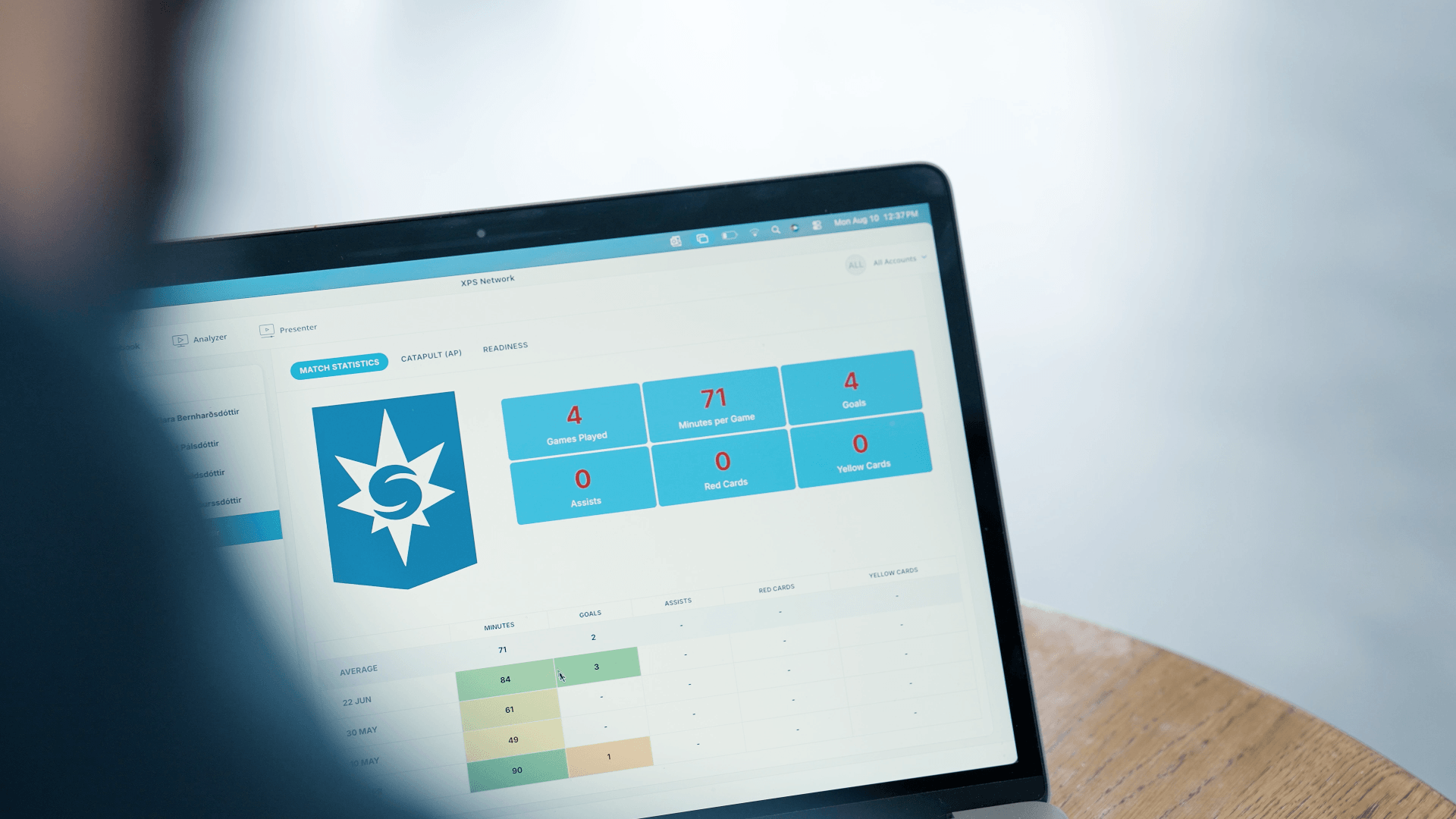
Stjarnan’s women’s first team follows the same idea with performance data. Catapult shows the staff how much physical work a player has done. Wellness and readiness responses add something the numbers cannot: how that work feels to the player.
Óskar Smári Haraldsson, Head Coach of the women’s first team, sees that as a key part of the process: “Catapult gives us the objective data, but that is only one part of the picture. How the players actually feel and their readiness is hugely important for us too.”
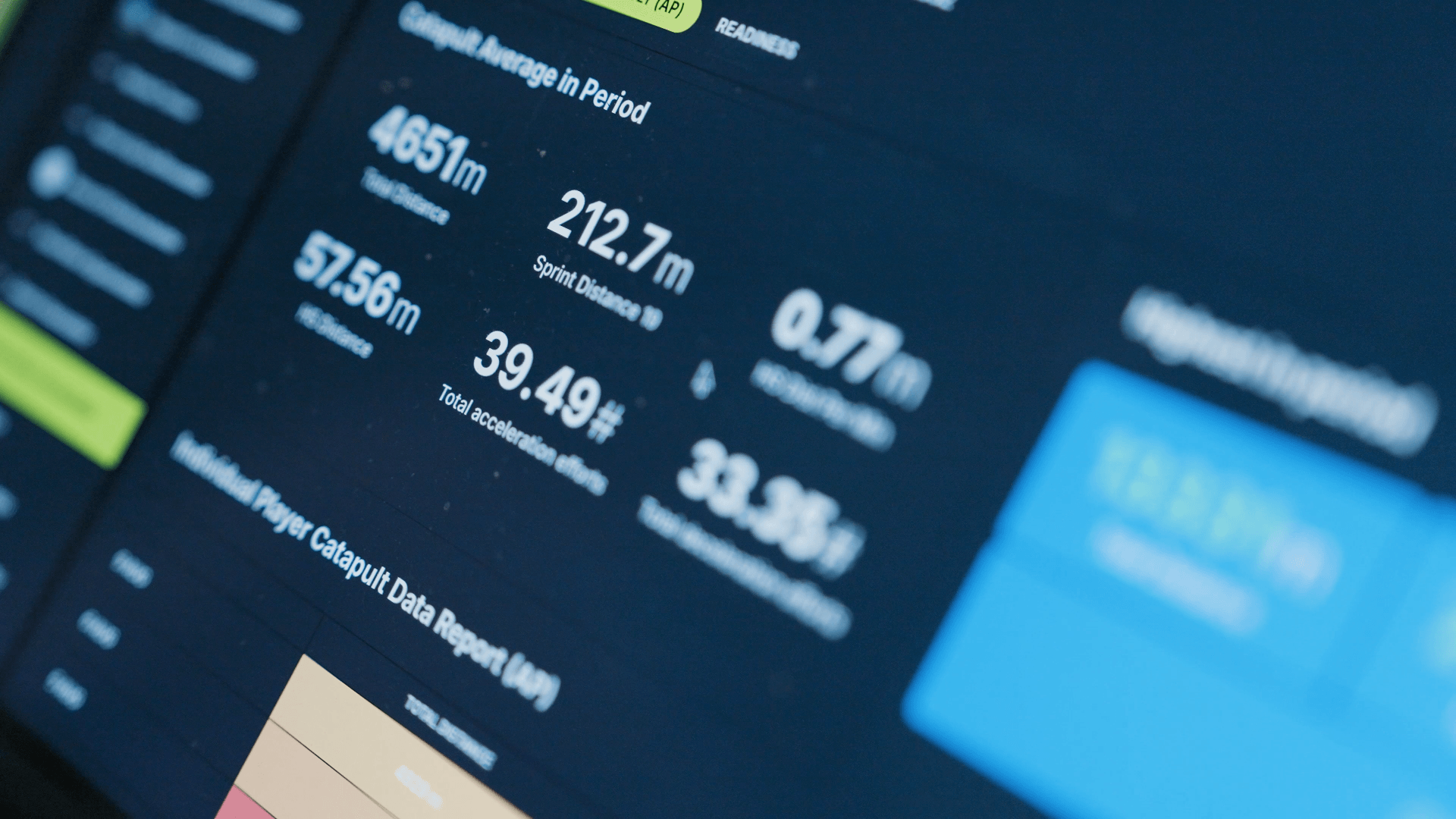
A training load may look normal on paper. But the player may be unusually tired, sore or struggling to recover. When both sides are visible, the staff can spot that difference and start the right conversation.
The Catapult data flows into XPS Reports, where Performance Coach Birgir Freyr and the wider staff can view it next to the players’ readiness and wellness responses. They can follow changes over time and build reports around the questions they need to answer.
This is useful when managing weekly loads, player welfare, muscle problems and injury risk. It gives the staff more context, but the staff still make the decision.
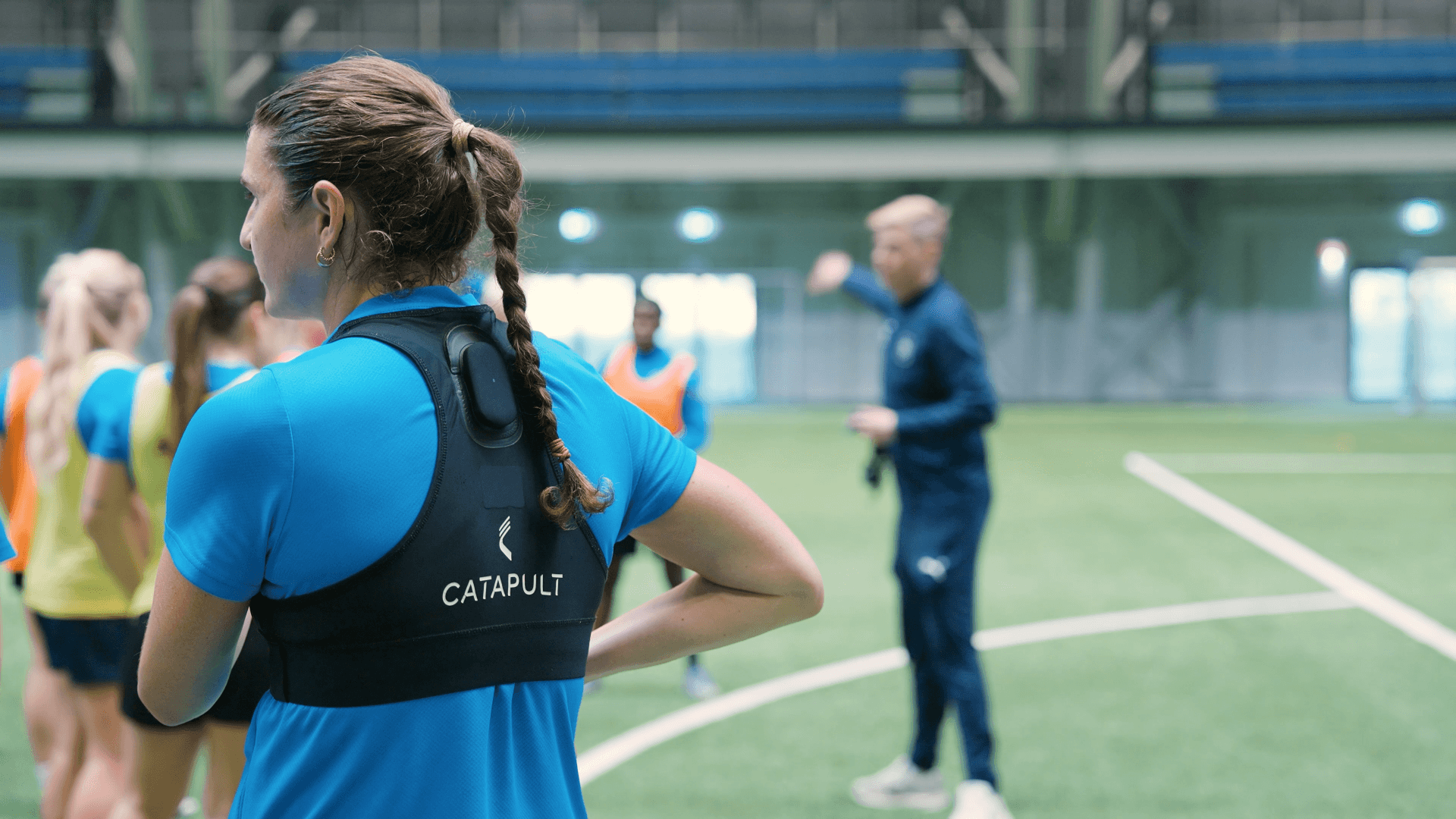
Accountability can sound like someone checking whether a task has been completed. At Stjarnan, it is much more practical.
A coach shares the plan before training. The player sees what is coming. Feedback stays available after the meeting. Progress is discussed again six weeks later. Performance staff can see both the numbers and the player’s response to them.
Nobody has to rely on memory. Nobody has to piece the full story together from several files or conversations.
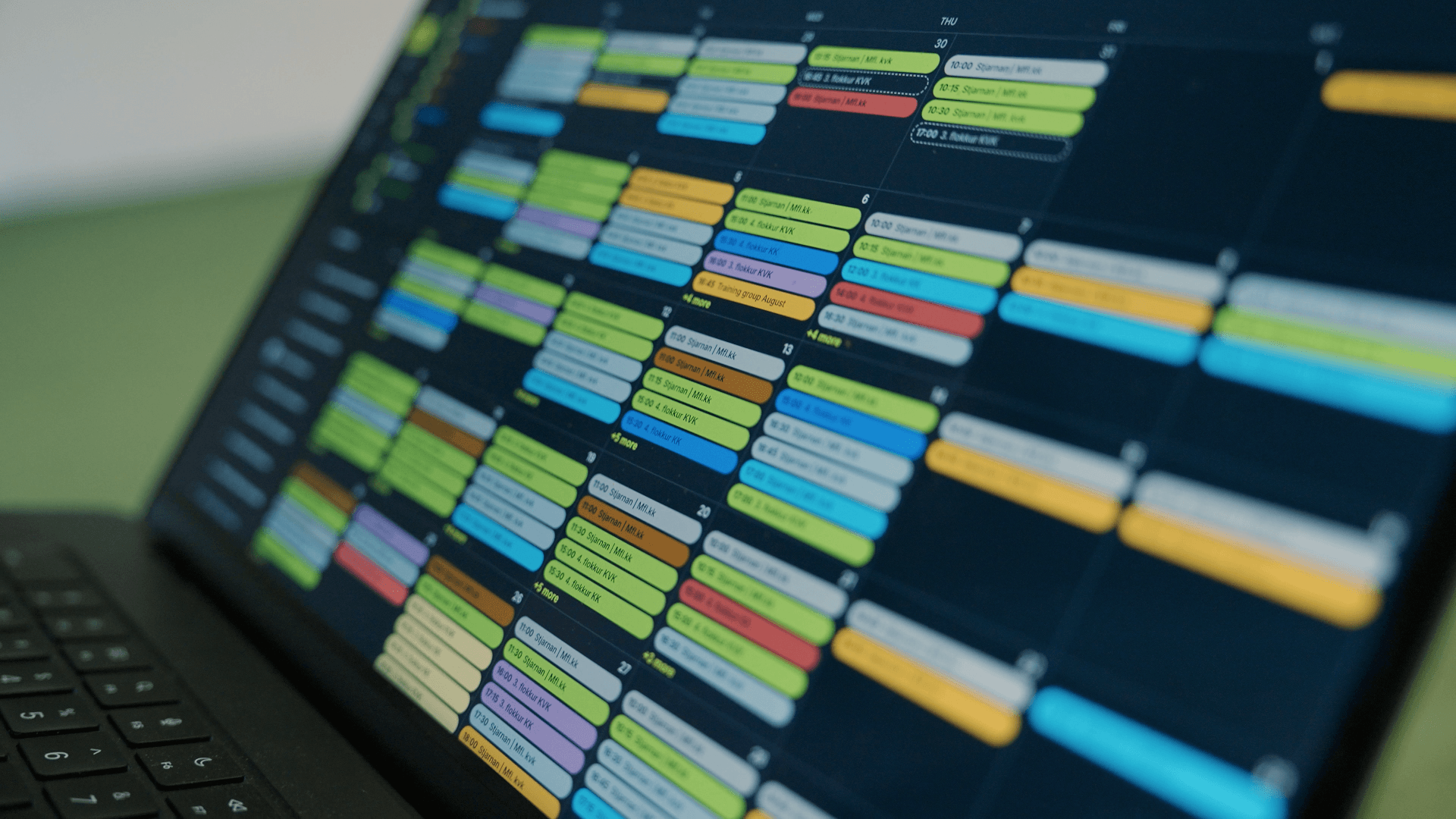
For coaches, that may be the most useful part of Stjarnan’s approach. Good habits become easier to follow when the work is clear and everyone can see it.
The plan is not there to control people. It gives coaches and players something shared to work from. That is where accountability starts: knowing what comes next, understanding your part in it and following through.
Erin McLeod has seen this process from both sides.
As a Stjarnan player, she used XPS to check the strength and conditioning work planned for each day. She could see what was coming, prepare for it and arrive knowing what the staff expected.
Now, as Head Coach of the U19 women’s team, Erin is the one building and sharing those plans.
That change of role gives her a useful view of the process. Players want clear information without having to search for it. Coaches want to know that the right work reaches the right player at the right time.

When several coaches are involved, that becomes even more important. The football coach, strength coach and individual development coach may all be working with the same player. If their plans sit in different places, details can easily be missed.
Bringing the work together gives everyone the same starting point. The player knows what is expected, while each coach can see how their work fits into the wider plan.
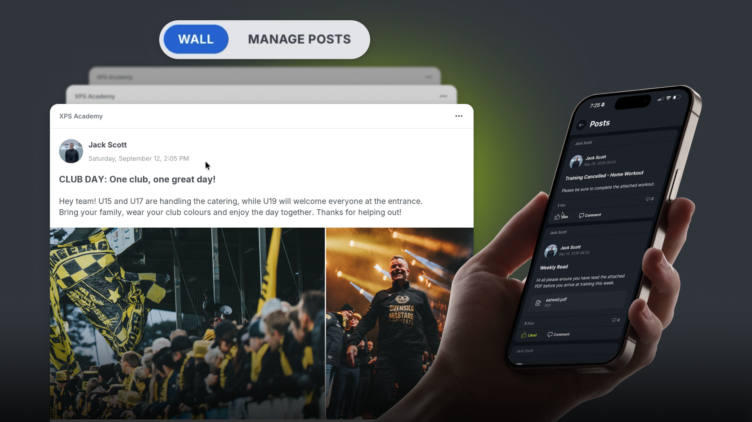
We are excited to release Posts, a highly requested feature which is essentially a shared feed inside your XPS...
Read More
At XPS, we’re always looking for ways to make athlete monitoring, training management, and daily coaching workflows a little...
Read More
2025 has been a busy and rewarding year at XPS Network. Working closely with coaches and teams across different...
Read MoreThank you!
Our representative will get back to you soon with time suggestions for an online meeting.
If you have any questions contact us at support@sidelinesports.com
Schedule a short online meeting with our representative
Try free XPS 14-days trial right now No credit card required


