


Ideas, Insights and the Future: Belgrade 2026
This past weekend, our global sales team came together in Belgrade, Serbia for several inspiring days of conversation, collaboration...
Read More
June 10, 2026
11 min reading
Injury prevention is no longer a luxury reserved for professional organizations. In elite sport, up to 50% of all injuries are considered preventable (PMC, 2021), yet most clubs still operate reactively, responding to injuries after they happen rather than stopping them before they do. Whether you work in youth sport, an amateur club, or a high-performance environment, keeping athletes healthy is fundamental to performance, development, and long-term success.
Despite the growing awareness around injury prevention, many programs struggle to deliver meaningful results. Often, they become overly complex, disconnected from the realities of training, or dependent on interventions that are difficult to sustain over an entire season.
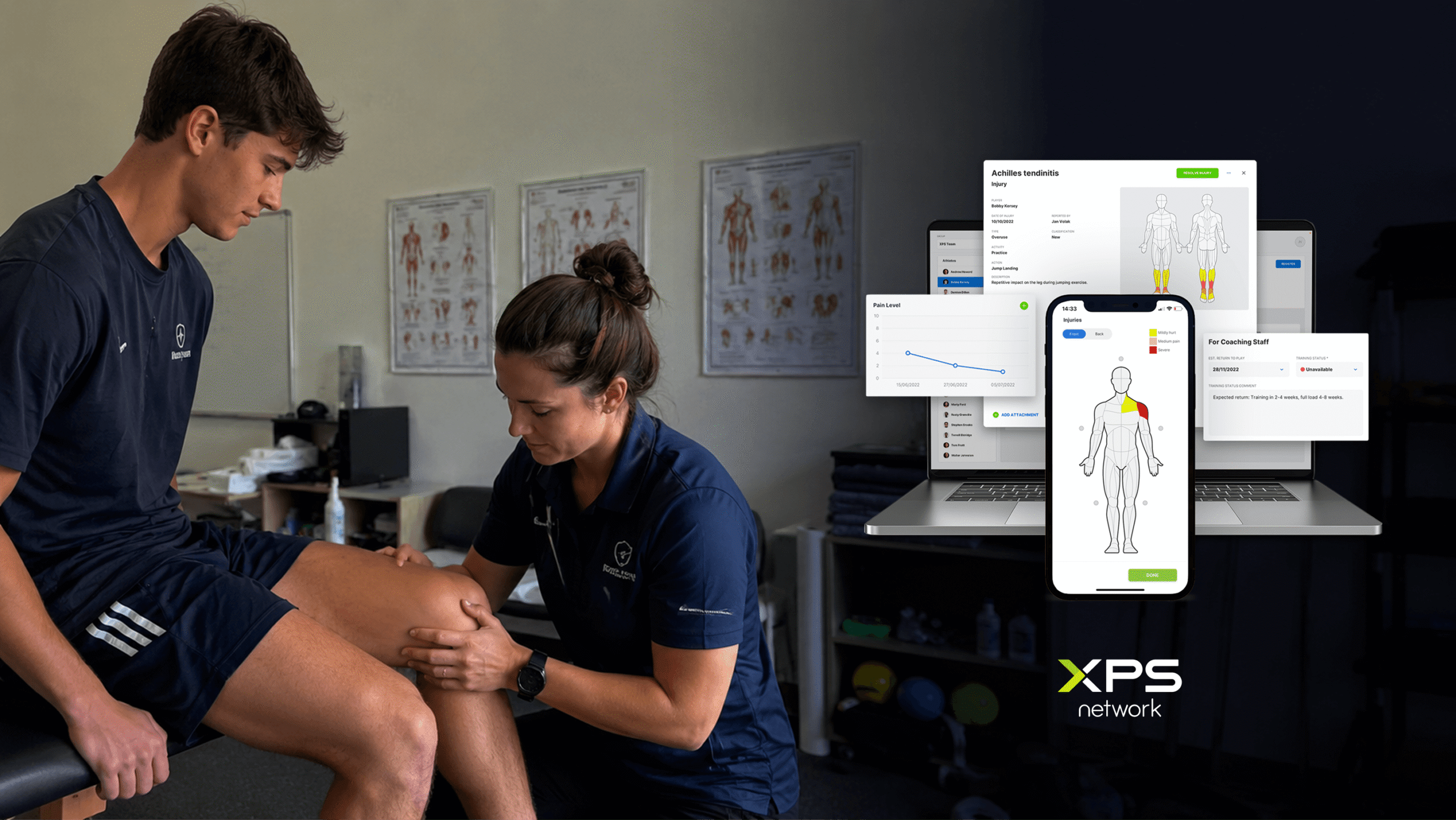
The most successful injury prevention programs share common characteristics: they are simple, consistent, and fully integrated into the club’s daily operations. Rather than relying on isolated exercises or occasional screening sessions, they become part of the culture and routine of the organization.
Here are six key steps to building an injury prevention program that is both practical and effective.
Before implementing any prevention strategy, it is important to understand exactly what injuries you are trying to prevent. Every club operates within a unique context, influenced by its athletes, competition level, training environment, and playing style.
A thorough review of injury data should include common injury patterns within the club, previous injury history, competition demands, athlete characteristics, and the injury trends typically seen within the sport. Establishing an injury surveillance system can provide valuable insight into injury incidence, severity, time-loss, and most importantly, injury mechanisms.
This information allows practitioners to move beyond assumptions and focus on the areas that pose the greatest risk.
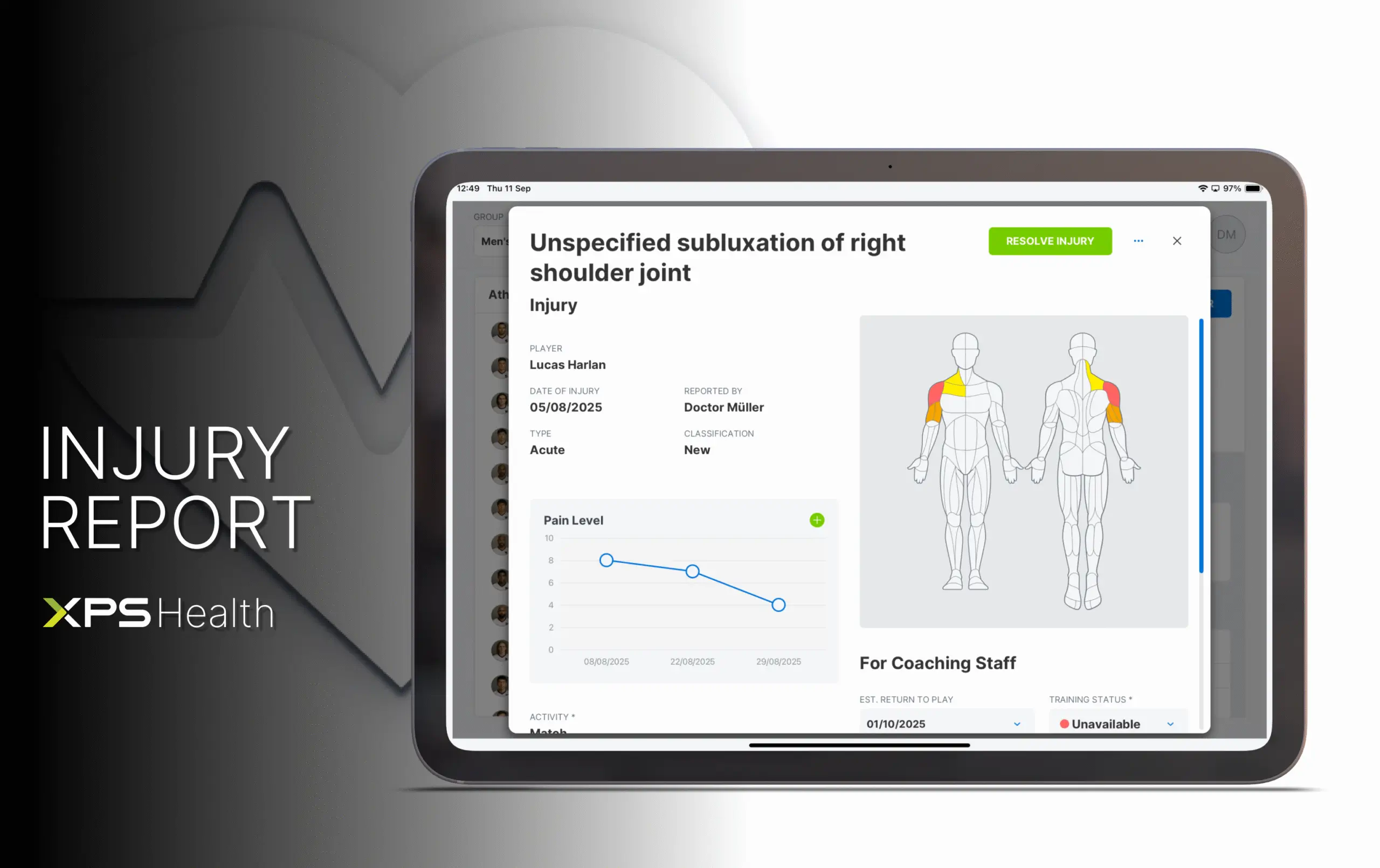
For example, a club may discover that contact-related knee injuries represent its largest injury burden, while non-contact injuries tend to increase late in matches or during congested periods of the season. Another common finding is an increase in hamstring strains during pre-season, particularly in sports that involve frequent high-speed running.
Once injury patterns and risk factors are identified, prevention efforts can be prioritized and targeted where they will have the greatest impact.
Looking for a real-world example? Watch our case study with Czech hockey champions HC Dynamo Pardubice to see how they use XPS Network to monitor athlete health, track injury history, and support informed decisions across their performance pathway.
Injury prevention is rarely the responsibility of a single practitioner. It requires collaboration between coaches, strength and conditioning staff, athletic therapists, physiotherapists, physicians, sport scientists, and the athletes themselves.
One of the biggest challenges in athlete care is ensuring that everyone involved has access to the same information and is working toward the same objectives. When communication breaks down, athletes may receive conflicting recommendations regarding training, recovery, rehabilitation, or return-to-play decisions.
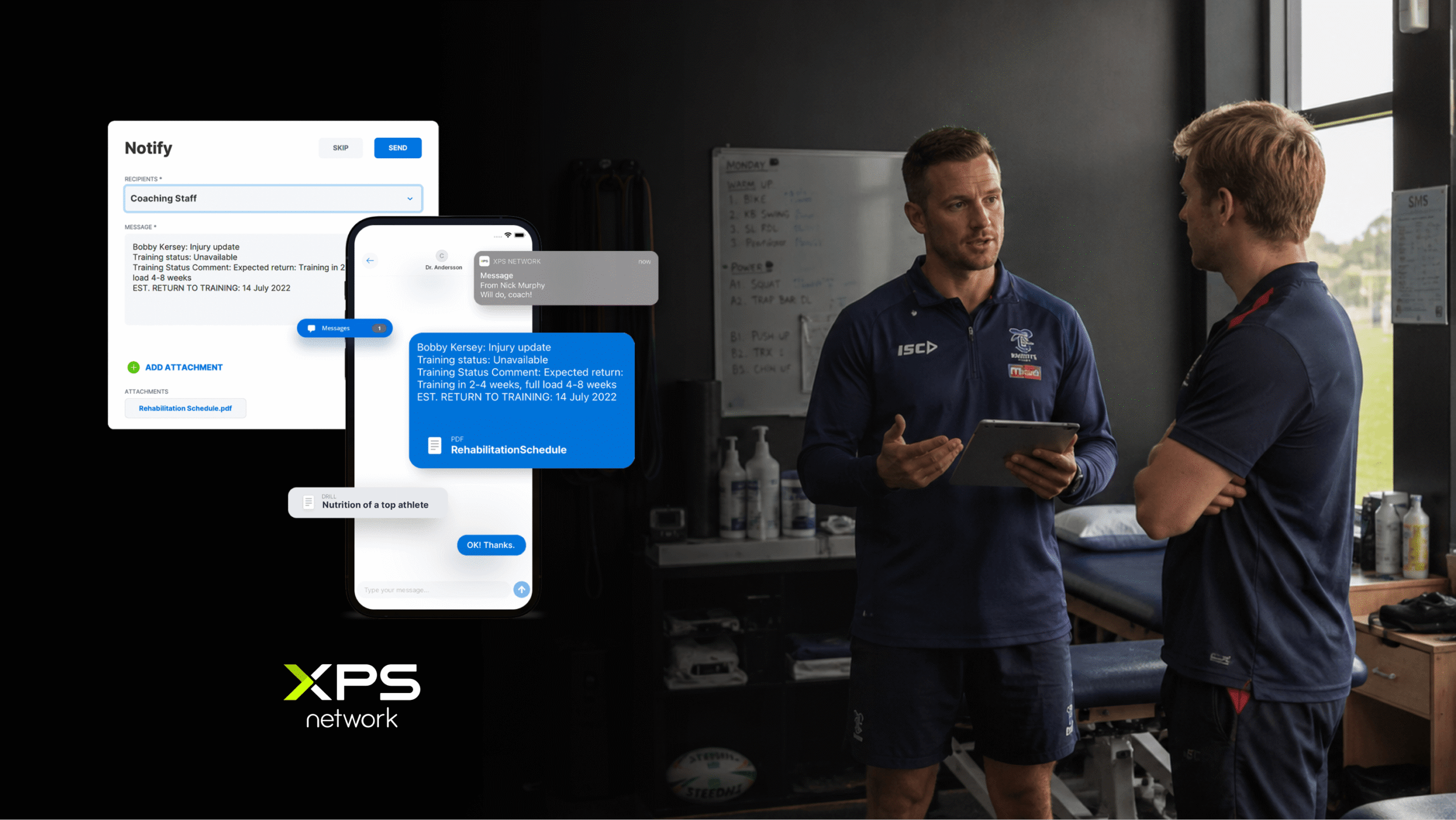
Strong alignment between medical and performance staff is particularly important. While medical professionals focus on healing and clinical recovery, performance staff are responsible for preparing athletes for the demands of competition. The most effective injury prevention systems bridge these perspectives rather than treating them as separate processes.
Centralizing information can significantly improve this collaboration. Athlete management systems allow practitioners to document injuries, monitor workloads, track rehabilitation progress, and communicate athlete status in real time. Having all relevant information in one place reduces uncertainty and supports more informed decision-making across the organization.
One of the most common reasons prevention programs fail is that they are treated as an additional task rather than a fundamental part of training.
If prevention activities are optional, time-consuming, or disconnected from the main session, they are often the first thing to disappear when schedules become busy. Sustainable programs are those that fit naturally into the training process.
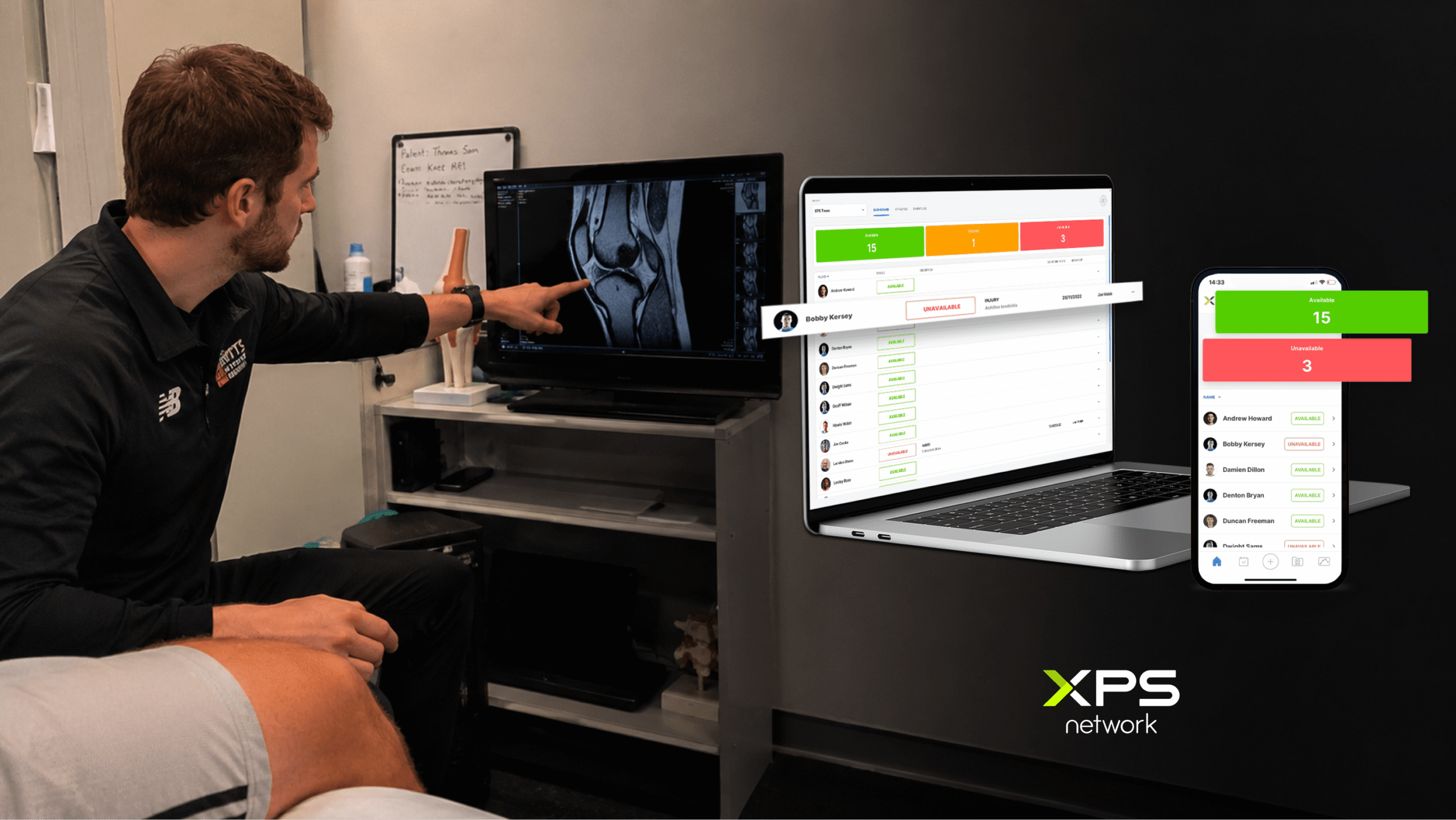
Injury risk is constantly changing based on training load, accumulated fatigue, movement demands, and recovery quality. As a result, prevention strategies should be implemented consistently rather than occasionally.
Three areas offer daily opportunities for injury prevention:
Research shows that structured warm-up programs such as FIFA 11+ can reduce injury rates by up to 50% in football players.
When these components become habitual parts of the training routine, injury prevention shifts from being an isolated intervention to an ongoing process.
An effective injury prevention strategy must include an understanding of how athletes are responding to training and competition demands.
Training load represents the cumulative stress placed on an athlete and is often one of the most important factors influencing injury risk. Importantly, injuries are not necessarily caused by high loads themselves, but by how those loads are applied and managed over time.
Studies indicate that athletes who experience a week-to-week training load increase of more than 15% face a meaningfully higher risk of injury.
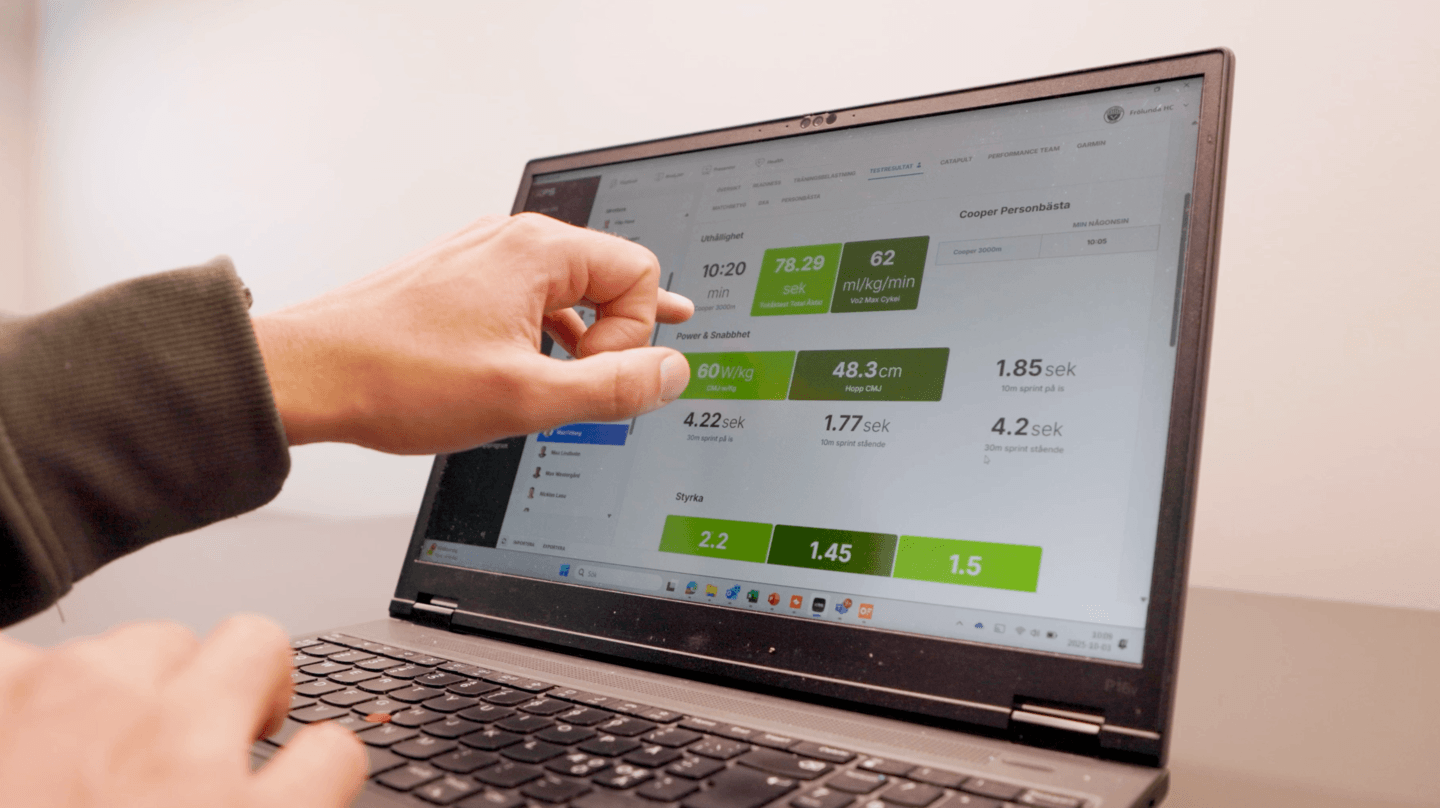
Monitoring training load with platforms like XPS Network helps practitioners identify sudden workload spikes, detect accumulated fatigue, and make informed decisions about progression and recovery.
Both external and internal load should be considered. External load reflects the work performed by the athlete, such as training duration, high-speed running, accelerations, jumps, or competitive minutes. Internal load reflects how the athlete responds to that work and can be assessed through measures such as session RPE, heart rate data, and wellness questionnaires.
The objective is not to avoid demanding training sessions. Athletes need exposure to high loads to adapt and perform. The key is ensuring that these loads are introduced progressively and that sufficient recovery opportunities are provided.
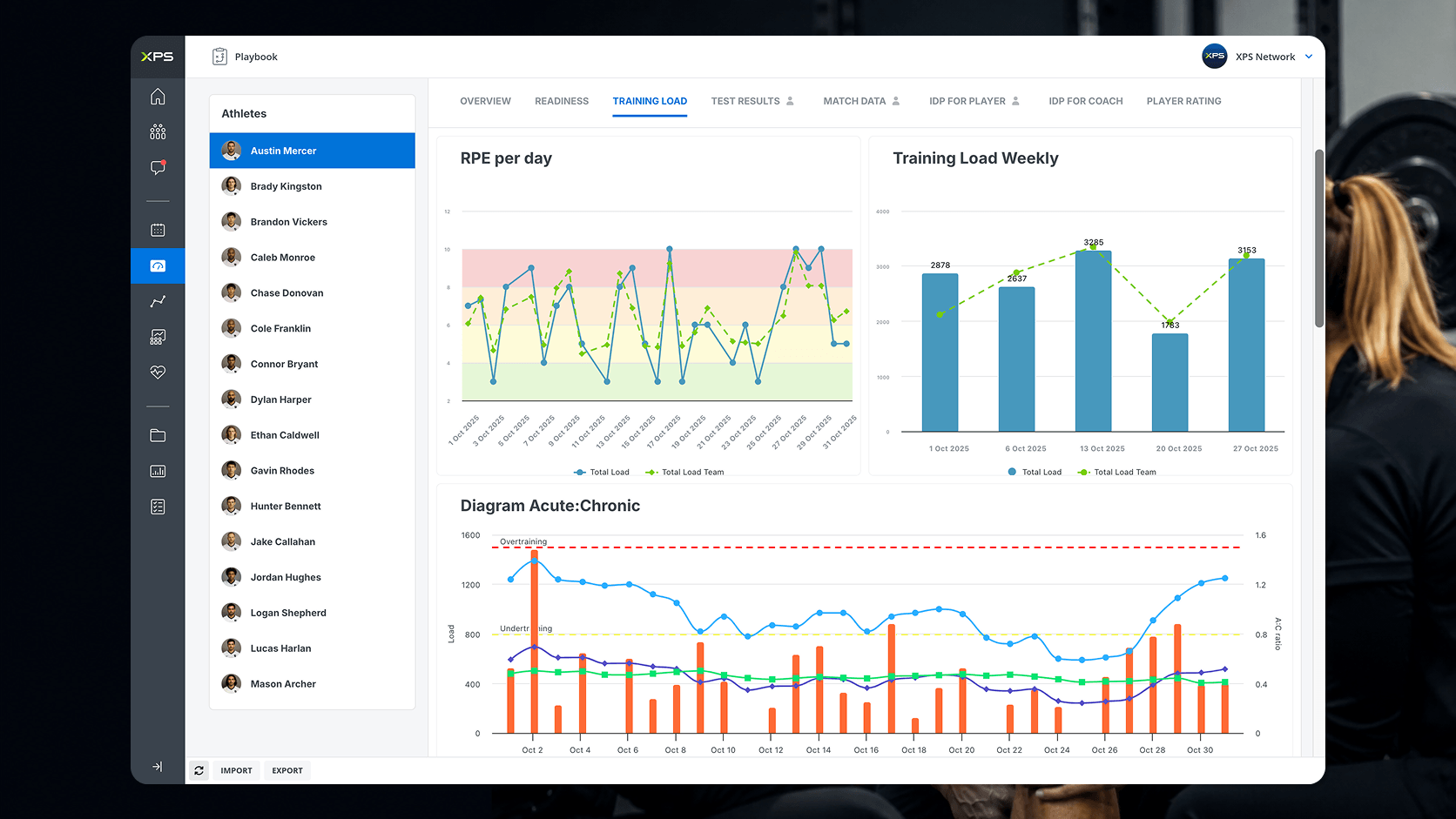
Equally important is recognizing that athletes respond differently to the same training stimulus. Age, training history, position, injury history, and current fatigue levels all influence an athlete’s tolerance to load. Monitoring systems should therefore guide discussions and decision-making rather than serve as rigid rules.
Monitoring training load is only valuable if the information can be turned into action. Finnish champions Tappara Tampere use XPS Network to track athlete wellness, training load, and readiness across their development pathway, helping coaches make informed decisions throughout the season. Have a look below.
Injury prevention is not something that can be implemented once and forgotten. Athletes evolve throughout the season, and so do the risks they face. Continuous assessment allows practitioners to identify emerging issues before they develop into injuries.
Regular monitoring can provide insight into changes in physical capacity, signs of fatigue, movement asymmetries, and reductions in force production. These assessments do not need to be complex. In many cases, simple and repeatable tests performed consistently provide the most useful information.
Jump testing, for example, has become one of the most practical tools for monitoring neuromuscular status. Measures derived from countermovement jumps, squat jumps, or drop jumps can reveal changes in fatigue, force production characteristics, and movement strategies that may not yet be visible during training.
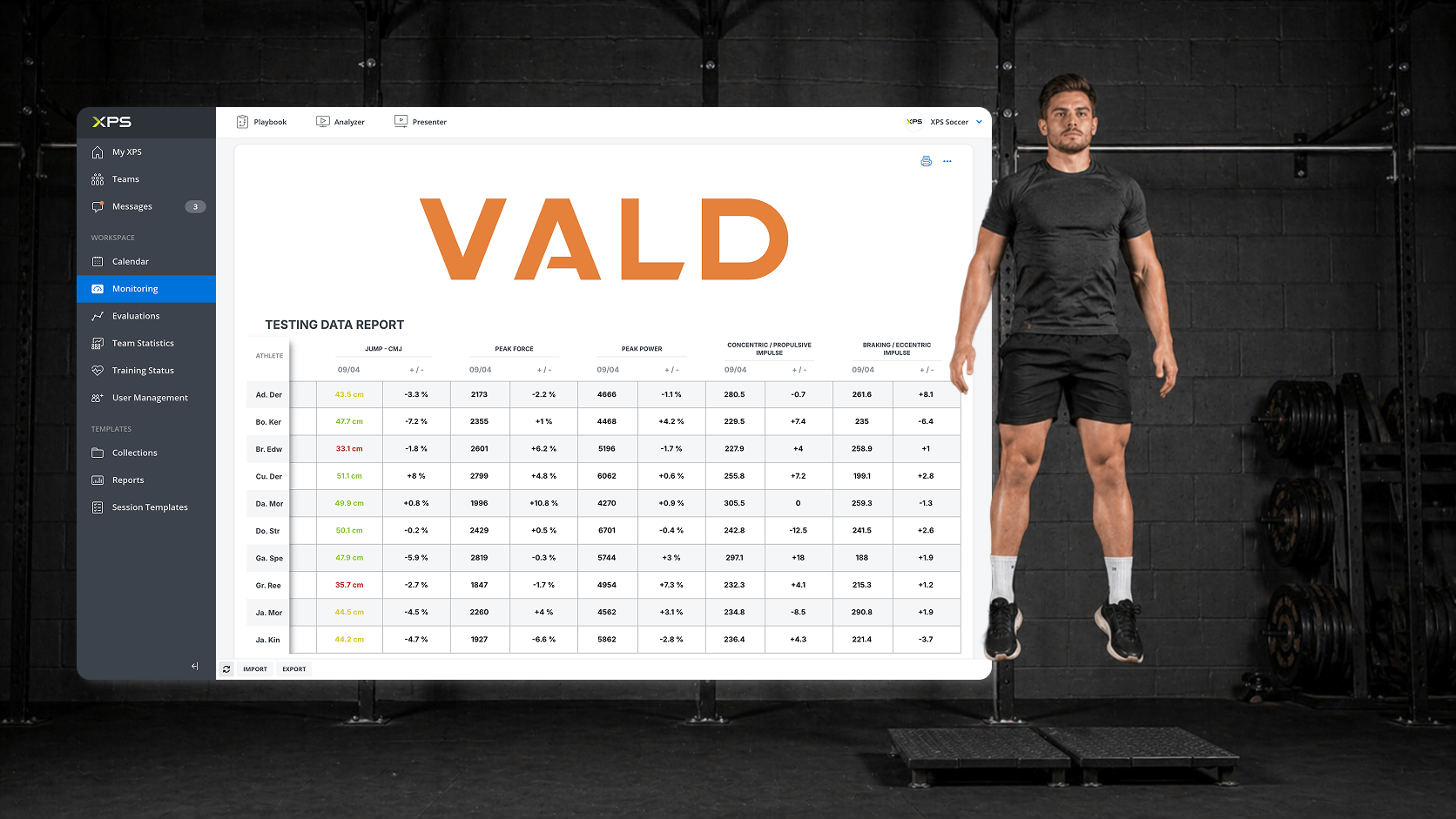
Platforms such as VALD ForceDecks have become widely adopted for collecting objective jump performance data. Through the XPS Network API integration, VALD testing results can be imported seamlessly into athlete profiles, allowing practitioners to view performance testing data alongside training load, wellness, and medical information within a single environment.
Objective strength assessments can provide another layer of information. Force plates, dynamometry, and isometric strength testing allow practitioners to identify asymmetries, quantify strength deficits, and track rehabilitation progress. These tools are particularly valuable when supporting return-to-play decisions, helping reduce reliance on subjective observations alone.
However, collecting data is only part of the process. The real value comes from communicating findings effectively.

Athletes are far more likely to engage with monitoring systems when they understand how the information is being used to support their health and performance. Similarly, coaches who understand the purpose of assessment data are better equipped to use it when making decisions about training intensity, volume, and recovery.
Ultimately, a strong injury prevention culture is built on education, communication, and trust.
Even the best injury prevention strategies can fall short if information is scattered across spreadsheets, messaging apps, paper notes, and separate performance systems.
As injury prevention programs mature, one of the biggest challenges becomes managing information efficiently and ensuring that coaches, medical staff, strength and conditioning coaches, and performance practitioners are all working from the same picture.
Modern performance platforms help centralize key information, making it easier to identify risk factors, monitor athlete wellbeing, track rehabilitation progress, and support daily decision-making. Rather than spending time collecting and chasing data, practitioners can focus on interpreting information and taking action.
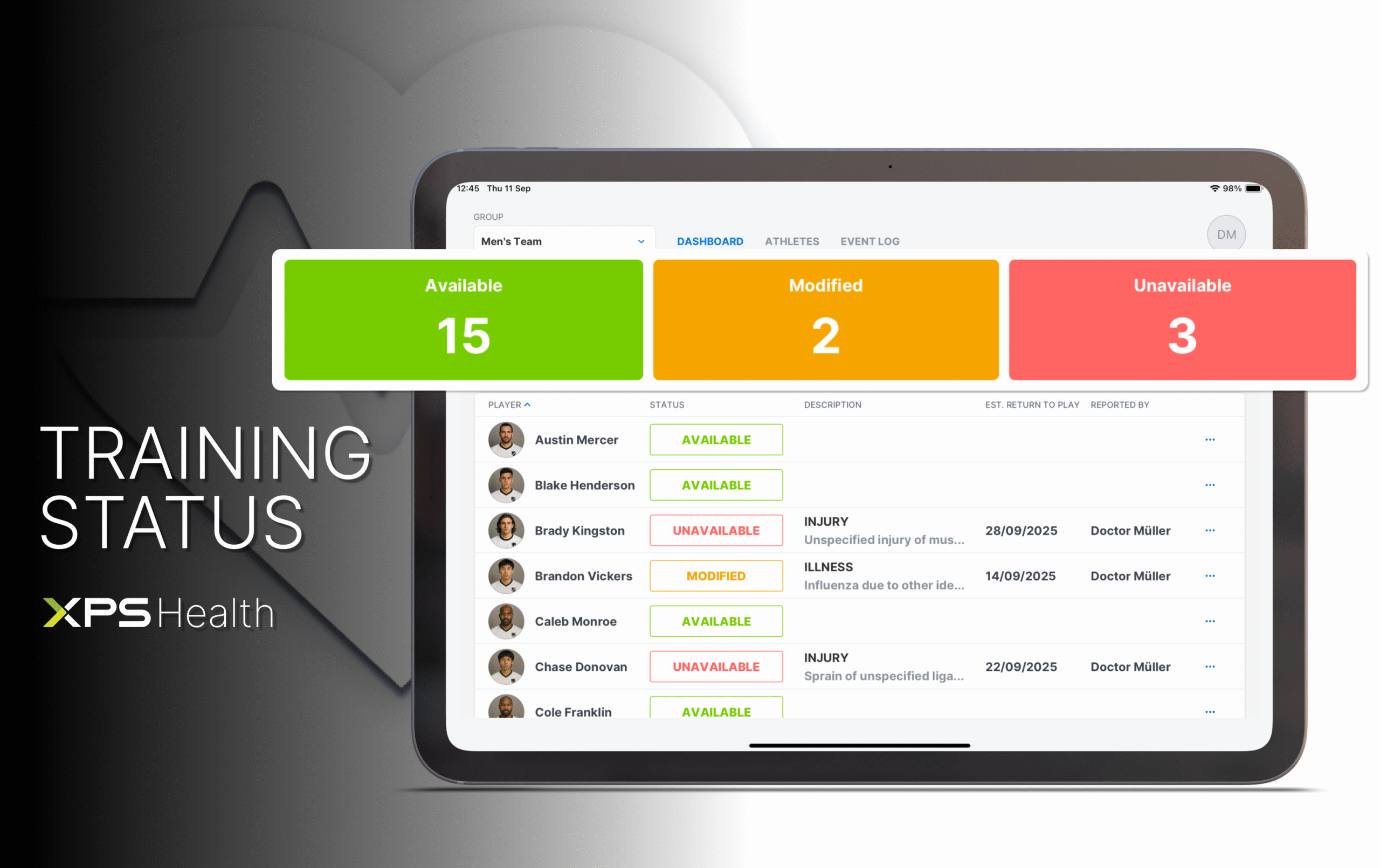
For example, injury surveillance data can be used to identify recurring injury trends and high-risk periods throughout the season. Wellness questionnaires and monitoring forms can help detect early signs of fatigue or reduced readiness. Training plans, workloads, and medical updates can be shared across departments, ensuring everyone involved in athlete care remains aligned.
This is where platforms such as XPS Network can play an important role. By bringing together planning, athlete monitoring, medical records, wellness data, performance testing, and communication tools in one environment, organizations can create a more connected approach to injury prevention.
Technology alone does not prevent injuries. However, when combined with strong processes and collaboration, it allows practitioners to make faster, more informed decisions while reducing administrative workload.
Ultimately, the goal is not to collect more data. The goal is to ensure that the right information reaches the right people at the right time, enabling proactive decisions that keep athletes healthy, available, and performing at their best.
Read more: XPS Health: The Ultimate Medical Tool for your Medical Staff
An effective injury prevention program is not defined by a particular exercise, screening tool, or piece of technology. Instead, it is built on a systematic approach that aligns people, processes, and daily practice.
By understanding injury risks, fostering collaboration, integrating prevention into training, managing load intelligently, and committing to continuous assessment and education, clubs can shift from reactive injury management to proactive athlete care.
When injury prevention becomes a natural part of the club’s culture, the benefits extend beyond simply reducing injuries. Athletes remain available more often, performance becomes more consistent, development is enhanced, and the organization is better positioned for long-term success.
The most effective programs are not necessarily the most sophisticated. They are the ones that are realistic, sustainable, and consistently applied every day.
Watch the walkthrough tutorial below to see XPS Health in action. For more learning resources and best practices, visit XPS Academy.
What is the most effective injury prevention strategy?
The most effective injury prevention strategy is a consistent and integrated approach that combines injury surveillance, load management, strength training, recovery, and ongoing communication between coaches, medical staff, and athletes.
How do sports teams reduce injury risk?
Sports teams reduce injury risk by understanding common injury patterns, monitoring training load, implementing structured warm-ups and strength programs, and responding proactively to signs of fatigue or reduced readiness.
Why is training load monitoring important?
Training load monitoring helps practitioners identify workload spikes, manage fatigue, and ensure athletes are exposed to training demands progressively, reducing the risk of overload and injury.
What role does technology play in injury prevention?
Technology helps centralize athlete data, monitor wellbeing and training load, track rehabilitation progress, and improve communication between performance and medical staff, supporting more informed decision-making.
How often should athletes be assessed?
Athletes should be assessed regularly throughout the season. Consistent monitoring of factors such as wellness, strength, jump performance, and fatigue can help identify potential issues before they develop into injuries.
Watch the XPS Webinar below and learn how to turn information into action. For more content like this, visit XPS Academy.
Félix Sauvestre | Sport Science Coach | Canada Soccer
Félix is a Sport Science Coach with over 8 years of experience in professional and developmental football. He currently serves as Performance and Sport Science Manager for Canada Soccer’s Youth Men’s National Team and works with the Institut National du sport du Québec. Previously, he led strength and conditioning and sport science programs at Soccer Québec and CF Montréal’s academy, specializing in athlete monitoring, workload management, and injury prevention.


This past weekend, our global sales team came together in Belgrade, Serbia for several inspiring days of conversation, collaboration...
Read More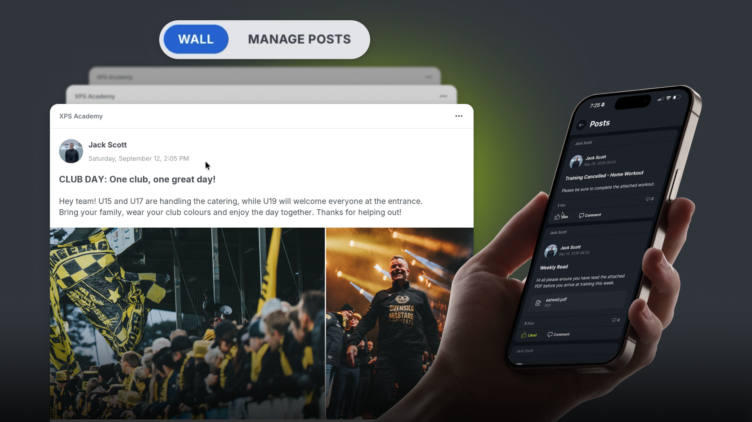
We are excited to release Posts, a highly requested feature which is essentially a shared feed inside your XPS...
Read More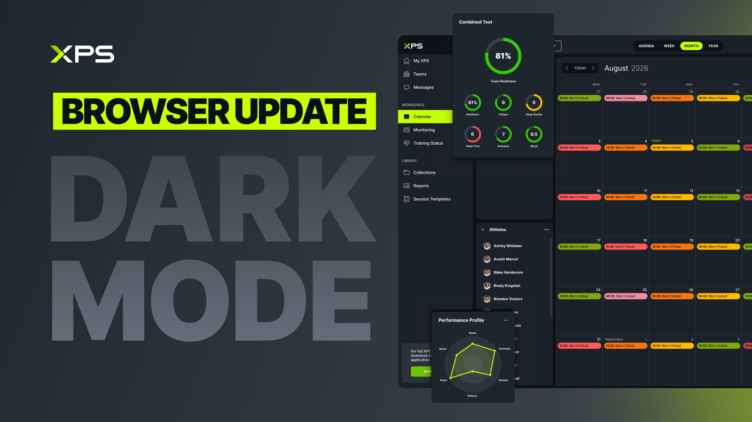
Dark mode is now live in the XPS Network Browser. Cleaner on the eyes. Sharp on the screen. And...
Read MoreThank you!
Our representative will get back to you soon with time suggestions for an online meeting.
If you have any questions contact us at support@sidelinesports.com
Schedule a short online meeting with our representative
Try free XPS 14-days trial right now No credit card required


