


XPS Browser Goes Dark!
Dark mode is now live in the XPS Network Browser. Cleaner on the eyes. Sharp on the screen. And...
Read More
April 28, 2026
7 min reading
In modern sports performance, data-driven decision-making has become essential. Coaches are constantly looking for tools that provide meaningful insights into athlete readiness, fatigue, and performance, without disrupting training.
One test has become a cornerstone of many athlete monitoring systems: the Countermovement Jump (CMJ).
Research shows that CMJ performance can detect neuromuscular fatigue with as little as 2-3% variation from baseline, making it one of the most sensitive monitoring tools available to practitioners.
From elite professional teams to collegiate programs, CMJ testing is widely used because it offers a simple, fast, and reliable way to assess neuromuscular performance. With just a vertical jump, practitioners can gather valuable information about an athlete’s power, fatigue levels, and training adaptations.
Here are five key reasons strength and conditioning coaches should incorporate CMJ testing into their athlete monitoring programs.
One of the biggest advantages of CMJ testing is its ability to detect neuromuscular fatigue, which directly influences an athlete’s readiness to train or compete.
High training loads, competition schedules, travel, and limited sleep can all reduce an athlete’s ability to produce force. Small changes in CMJ metrics, such as jump height, peak power, or time to takeoff, can signal that an athlete is not fully recovered.
CMJ testing becomes even more powerful when combined with subjective athlete questionnaires. Many teams track simple daily wellness indicators like sleep quality, muscle soreness, stress levels, perceived fatigue, and mood.
When these subjective measures are paired with objective CMJ data, practitioners gain a much clearer picture of athlete readiness.
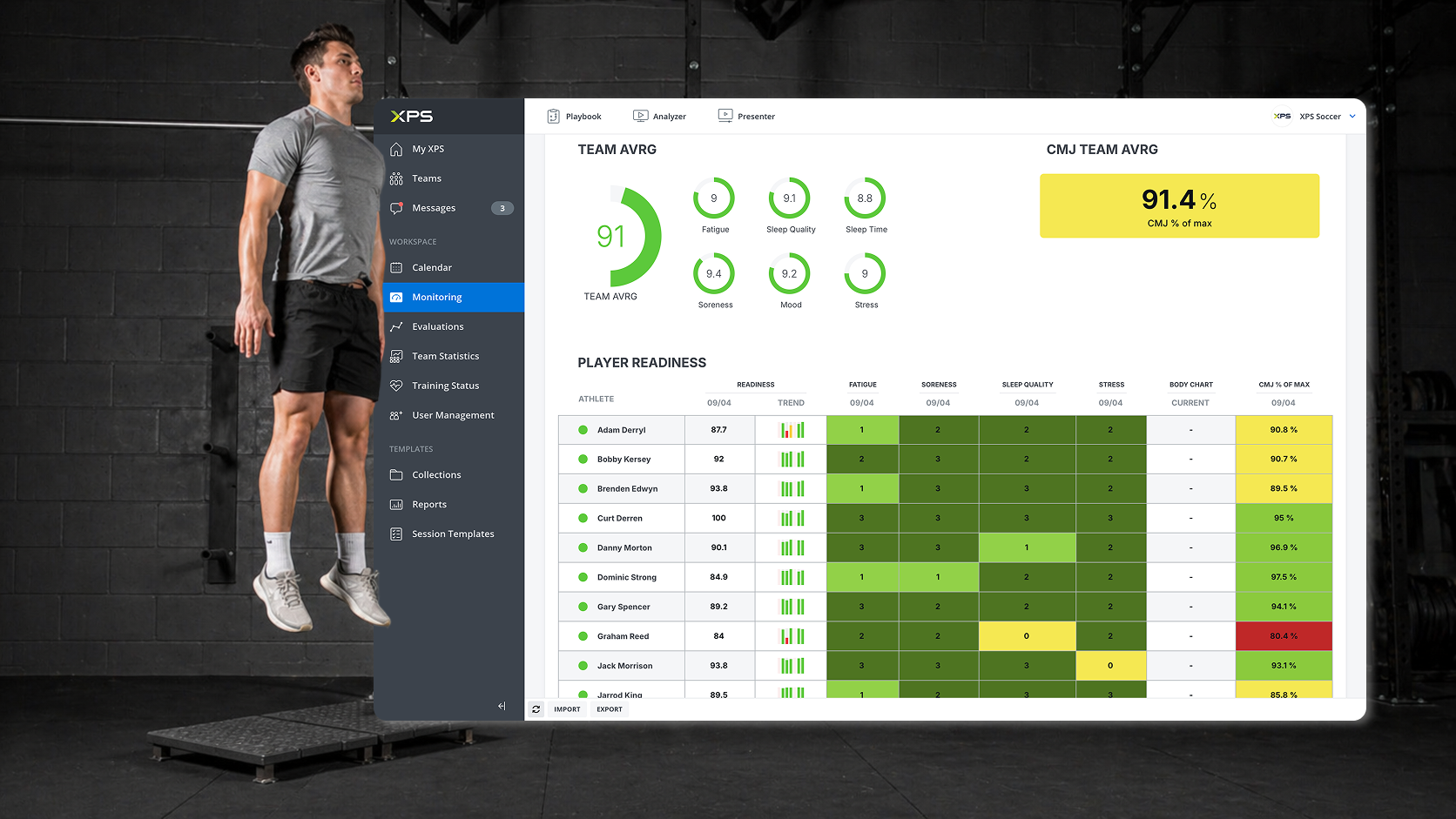
For instance, an athlete may report feeling fatigued while CMJ performance remains stable, suggesting they can likely tolerate normal training loads. Conversely, an athlete may report feeling good while CMJ metrics show decreased neuromuscular output, indicating hidden fatigue.
By combining how the athlete feels with how they perform, coaches can make more informed decisions about training intensity, recovery strategies, and workload adjustments.
Explosive lower-body power is critical across most sports, including basketball, soccer, volleyball, rugby, and track and field.
The CMJ provides a reliable measure of an athlete’s ability to produce force rapidly. Improvements in jump performance typically reflect gains in explosive strength, rate of force development, and overall power output.
Beyond measuring performance, CMJ testing is a valuable tool for evaluating whether a training program is actually working. Without regular testing, coaches are often relying on assumptions rather than objective evidence.
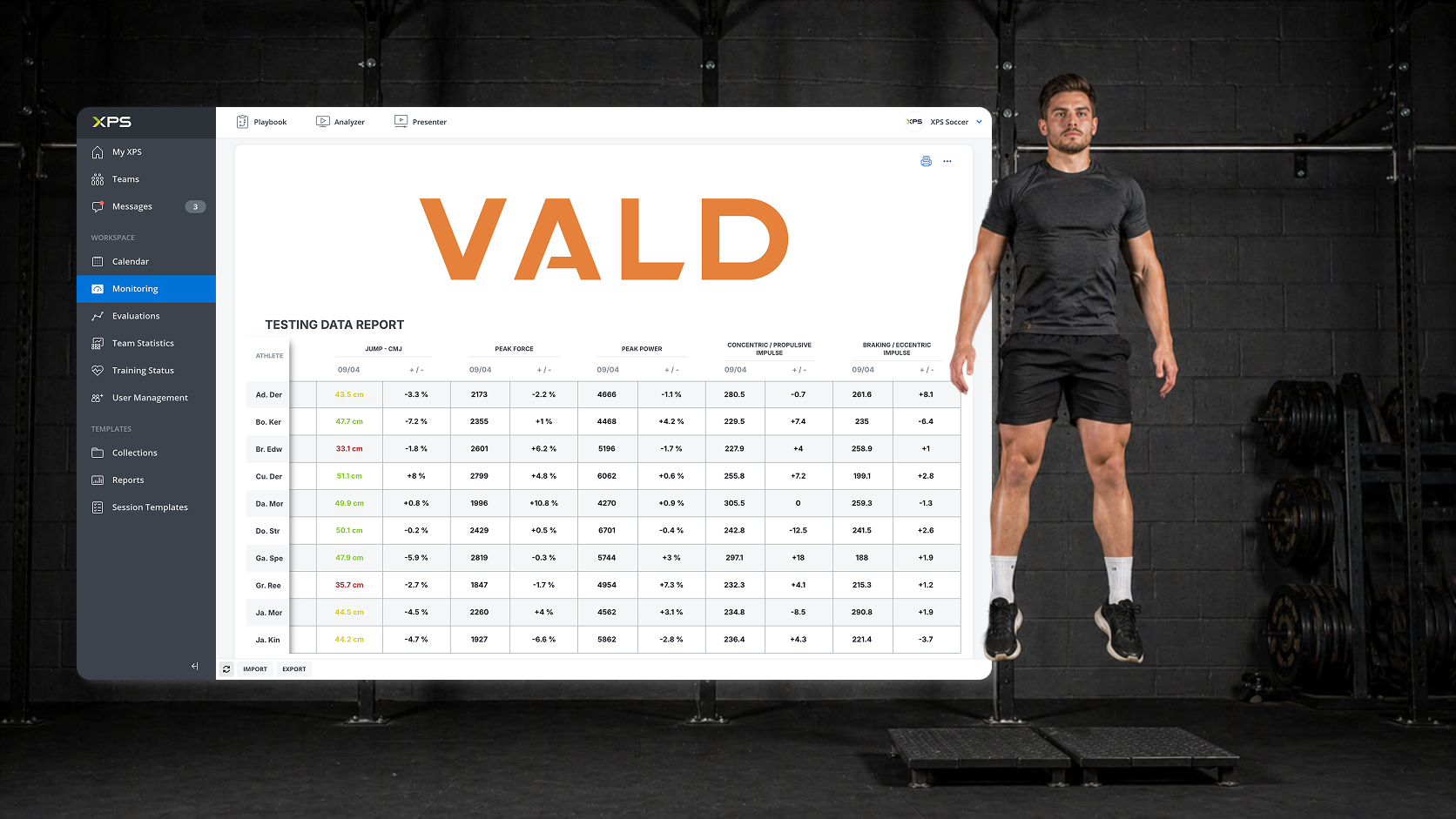
With consistent CMJ monitoring, practitioners can track performance trends over time, evaluate the effectiveness of specific training blocks, and identify whether athletes are adapting as expected. Through API integrations with VALD Performance, CMJ data can be seamlessly brought into XPS, allowing practitioners to view and analyze performance alongside other key athlete metrics in one place.
In this way, CMJ testing provides direct feedback on training effectiveness, helping ensure that programs lead to measurable performance outcomes.
Athletes rarely respond to training in the same way. Even when following identical programs, some improve quickly while others adapt more gradually or differently.
CMJ testing provides deeper insight into these individual responses by analyzing how force is produced during the jump. Modern systems capture variables such as peak force, peak power, eccentric braking force, concentric impulse, and time to takeoff.
These metrics reveal distinct movement strategies. Some athletes display a strength-dominant profile, producing high force but requiring more time. Others are more speed-dominant, generating force quickly but with lower overall magnitude. In some cases, athletes rely heavily on the eccentric phase, while others may lack eccentric control.
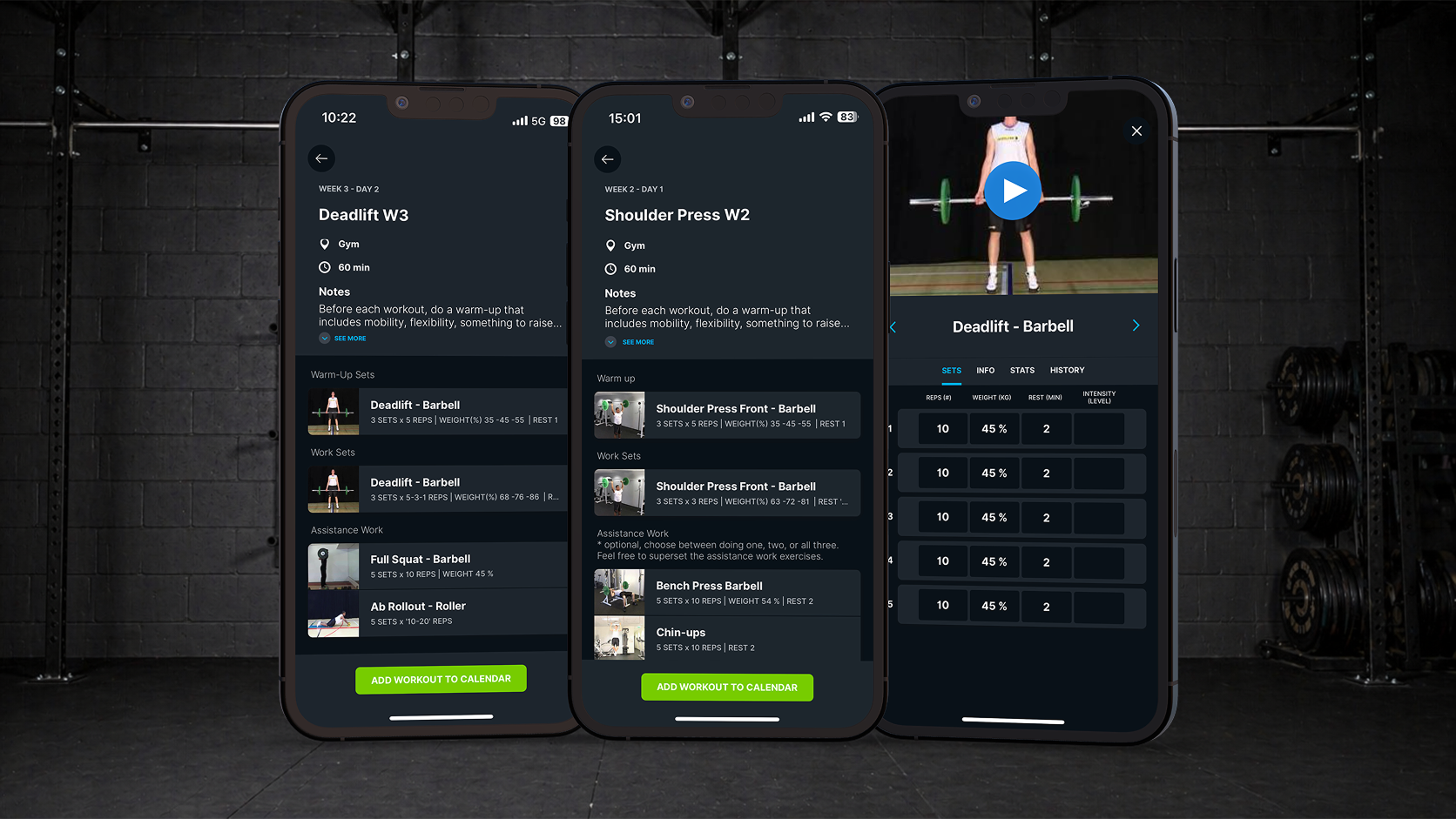
Understanding these differences allows coaches to move beyond generic programming. For example, an athlete who struggles with force production may benefit from heavier strength training, while one with slower force development may require more ballistic or explosive work. Similarly, deficits in eccentric control can be addressed through targeted plyometric or eccentric-focused exercises.
Over time, this individualized approach leads to more efficient improvements and better long-term athlete development
CMJ testing is also highly valuable during the return-to-play process.
Rehabilitation typically progresses from rebuilding strength to reintroducing explosive movements, and eventually to full sport participation. A key challenge is determining when an athlete is ready to move to the next stage.
CMJ testing helps solve this by providing objective benchmarks. Practitioners can compare current performance to pre-injury data or team norms to evaluate recovery.
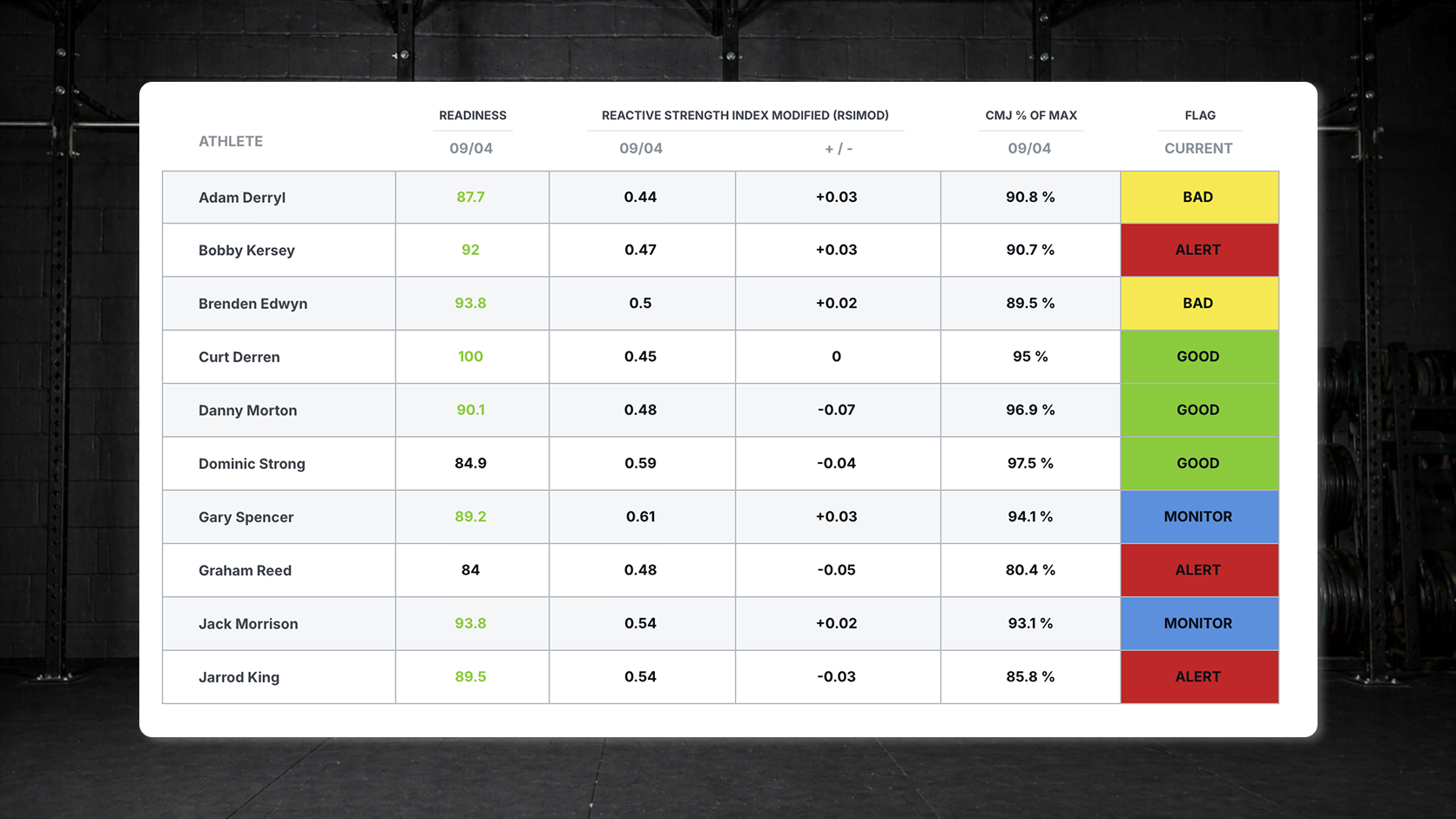
Metrics such as jump height, peak power, eccentric force, and inter-limb asymmetries offer clear indicators of progress. For example, an athlete may need to reach a specific percentage of their pre-injury performance or reduce asymmetries below a defined threshold before progressing.
This reduces reliance on subjective judgment alone and allows practitioners to combine data, clinical insight, and athlete feedback to make more confident decisions.
Ultimately, this approach helps ensure athletes regain the neuromuscular capacity required to safely return to sport.
One of the main reasons CMJ testing is so widely adopted is its practicality.
The test itself takes only seconds to perform and induces minimal fatigue, making it ideal for frequent monitoring within training environments.
Advances in technology, such as force plates from VALD Performance, have made CMJ testing more accessible and scalable than ever. Systems like ForceDecks allow practitioners to quickly capture detailed performance metrics without adding complexity to the workflow.
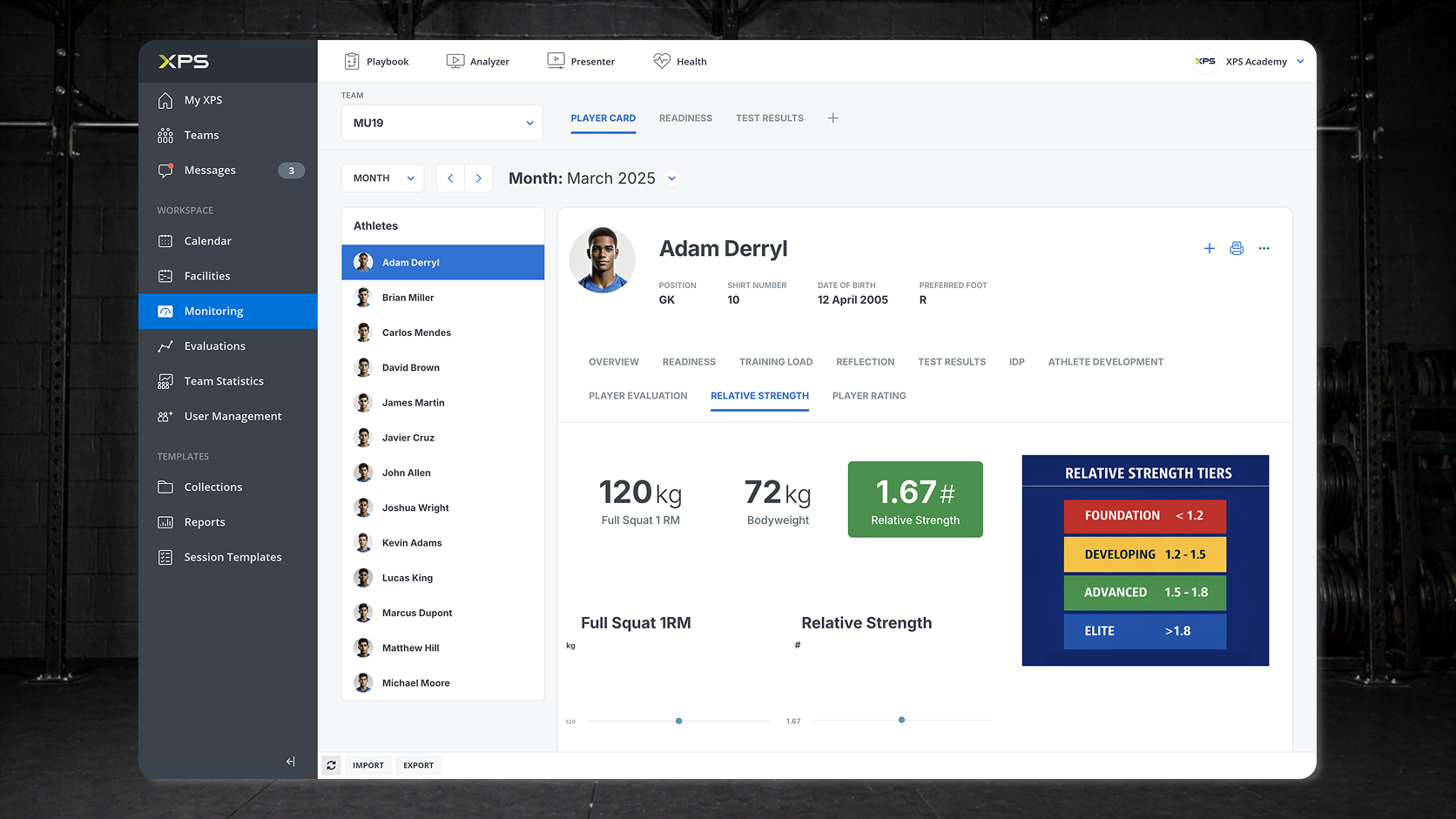
Another key advantage is integration with Athlete Management Systems through APIs. Platforms like XPS Network enable teams to centralize CMJ data alongside training loads, GPS metrics, wellness questionnaires, and medical reports.
By combining efficient testing with seamless data integration, CMJ testing becomes a powerful and scalable solution for modern athlete monitoring.
The Countermovement Jump is more than just a vertical jump test, it is a powerful tool for understanding athlete readiness, fatigue, and performance.
When used consistently, CMJ testing allows coaches and sport scientists to make better-informed decisions about training loads, recovery strategies, and performance development.
In an environment where marginal gains matter, integrating simple and effective monitoring tools like the CMJ can make a meaningful difference.
What is a countermovement jump test?
A countermovement jump (CMJ) is a vertical jump test where the athlete dips downward before jumping. It measures neuromuscular performance, explosive power, and readiness, and is widely used in athlete monitoring programs.
How often should CMJ testing be done?
CMJ testing can be performed daily or several times per week due to its minimal fatigue impact. Most teams test before training sessions to assess athlete readiness and guide load decisions.
What does a drop in CMJ performance mean?
A meaningful drop in CMJ metrics such as jump height or peak power typically indicates neuromuscular fatigue or incomplete recovery, signaling that an athlete may need reduced training load or additional rest.
Can CMJ testing help with return to play?
Yes. CMJ testing provides objective benchmarks during rehabilitation, allowing practitioners to compare current performance to pre-injury data and make more confident return-to-play decisions.
What equipment is needed for CMJ testing?
Force plates such as VALD ForceDecks are the gold standard for CMJ testing, capturing detailed metrics beyond jump height. Some teams also use jump mats or contact mats as more accessible alternatives.
Félix Sauvestre | Sport Science Coach | Canada Soccer
Félix is a Sport Science Coach with over 8 years of experience in professional and developmental football. He currently serves as Performance and Sport Science Manager for Canada Soccer’s Youth Men’s National Team and works with the Institut National du sport du Québec. Previously, he led strength and conditioning and sport science programs at Soccer Québec and CF Montréal’s academy, specializing in athlete monitoring, workload management, and injury prevention.

Dark mode is now live in the XPS Network Browser. Cleaner on the eyes. Sharp on the screen. And...
Read More
Great coaching happens when feedback is clear, engaging, and easy to understand. While written comments are invaluable, sometimes a...
Read More
Collecting athlete data has never been easier. GPS systems, force plates, wellness questionnaires, heart rate monitors, and wearable technology...
Read MoreThank you!
Our representative will get back to you soon with time suggestions for an online meeting.
If you have any questions contact us at support@sidelinesports.com
Schedule a short online meeting with our representative
Try free XPS 14-days trial right now No credit card required


