


Hockeytown Reborn: HC Dynamo Pardubice’s Return to the Top
In Pardubice, hockey is not just a sport. It is part of the city’s identity. For generations, HC Dynamo...
Read More
June 3, 2026
6 min reading
In 2022, relegation hit Krefeld Pinguine hard.
For one of Germany’s most historic hockey clubs, dropping out of the DEL was more than just a difficult season. It forced the organisation to rethink almost everything around the team. Processes changed, structures were rebuilt, and internally, the club entered what many described as a complete reset.
But instead of chasing a quick return, Krefeld chose a different path.
Over the next four years, the focus shifted toward building something more stable and sustainable. With Peer Schopp stepping in as General Manager, the organisation gradually reshaped the way departments worked together, how information moved internally, and how the club approached long-term development both on and off the ice.
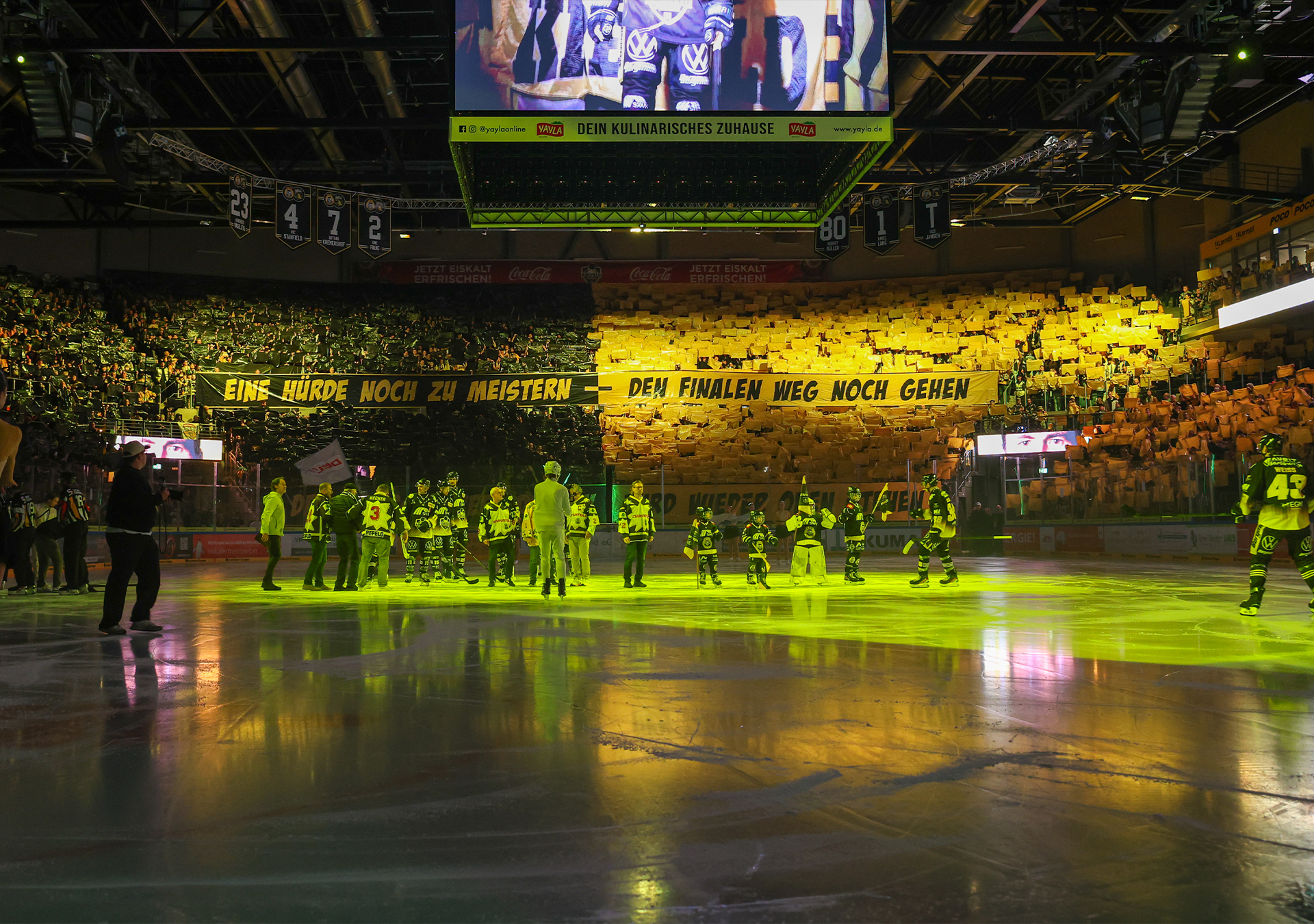
During that rebuild, XPS Network became part of the club’s growing focus on professionalising daily processes around player health management, communication, monitoring, and performance operations.
By 2026, the results were impossible to ignore.
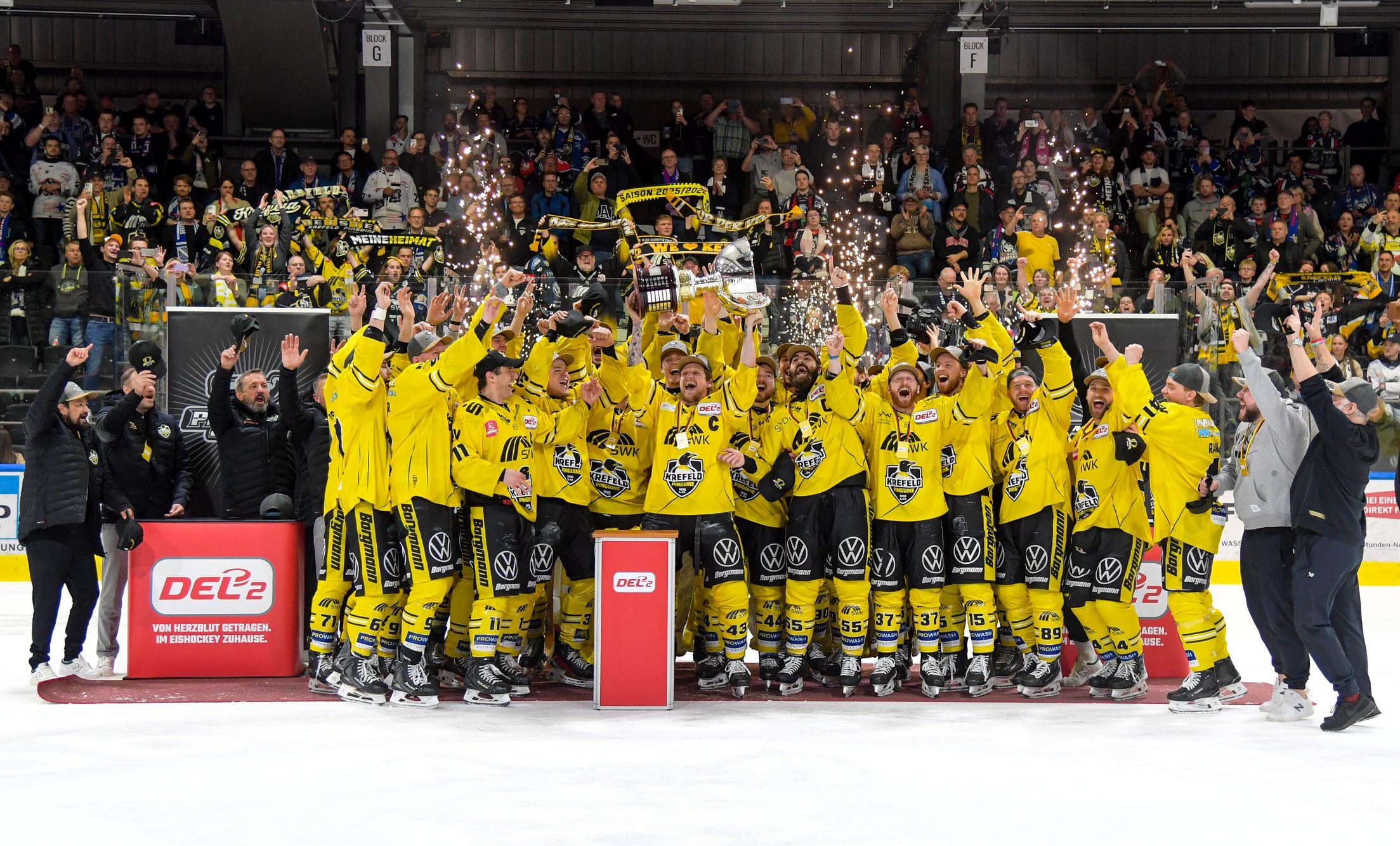
After dominating the DEL2 regular season, Krefeld completed a perfect playoff run and secured promotion back to the DEL.
“The promotion was not a coincidence, not a single breakthough moment, but the result of a long-term process,” explains Marco Schuchmann, responsible for Roster Management, Scouting and Analysis at the club.
Following relegation, one of the biggest priorities inside the organisation became creating stronger daily structures around the team.
The club wanted to professionalise communication between coaches, medical staff, physiotherapists and performance departments while improving how player information was managed across the organisation. At the same time, everything still needed to remain practical enough for the reality of daily hockey operations.
For the new GM Peer Schopp, the goal was never simply to add more systems or collect more data. The focus was on creating an environment where departments worked more closely together and where small details no longer slipped through the cracks. As he explains, “We constantly challenge ourselves in every area to become more professional,” a mindset that became increasingly important throughout the club’s rebuild.
As part of that process, Krefeld started integrating XPS Network more deeply into the organisation’s daily structures. Health management, prevention, monitoring and communication gradually became more connected across departments, helping the club build stronger daily routines around the team environment.
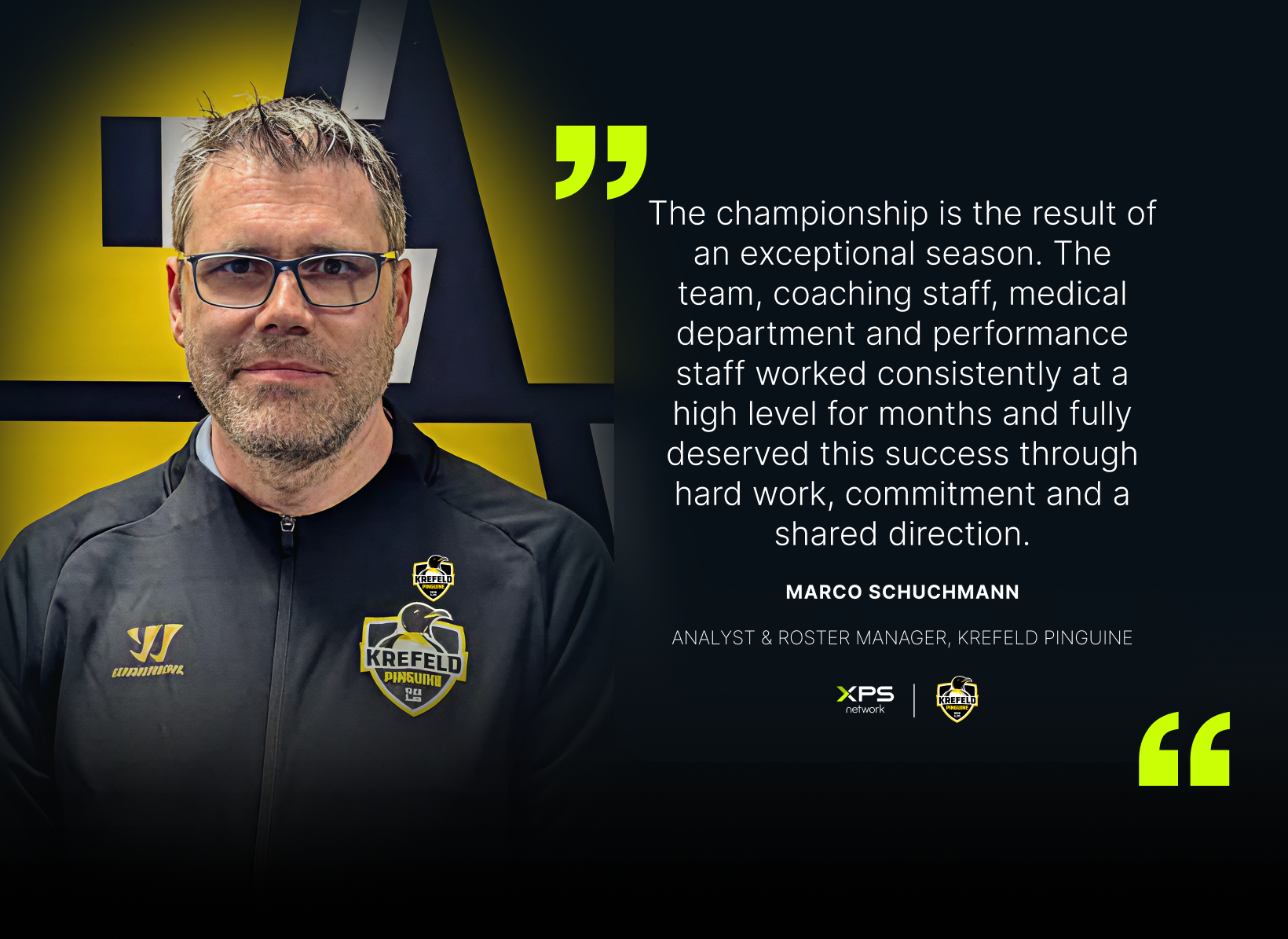
According to Schuchmann, those details became especially important over the course of a long championship season. “The championship is the result of an exceptional season,” he says. “The team, coaching staff, medical department and performance staff worked consistently at a high level for months and fully deserved this success through hard work, commitment and a shared direction.”
At the same time, the club continued looking for ways to improve processes behind the scenes rather than becoming comfortable with short-term success. Schuchmann explains that player health management, prevention and workload control quickly became major focus areas during the rebuild.

“A central part of our daily work is continuously questioning and improving existing structures,” he says. “Our goal was to further professionalise player health management, prevention, and workload control because these are exactly the factors that can make the difference long term.”
Throughout the season, Krefeld focused heavily on improving transparency and communication between players and staff.
Daily readiness questionnaires became part of the club’s routine, helping the performance staff identify workload issues earlier and react more proactively before small problems developed into bigger ones. For Schuchmann, one of the biggest benefits was simplifying communication across departments while also improving player buy-in throughout the process.
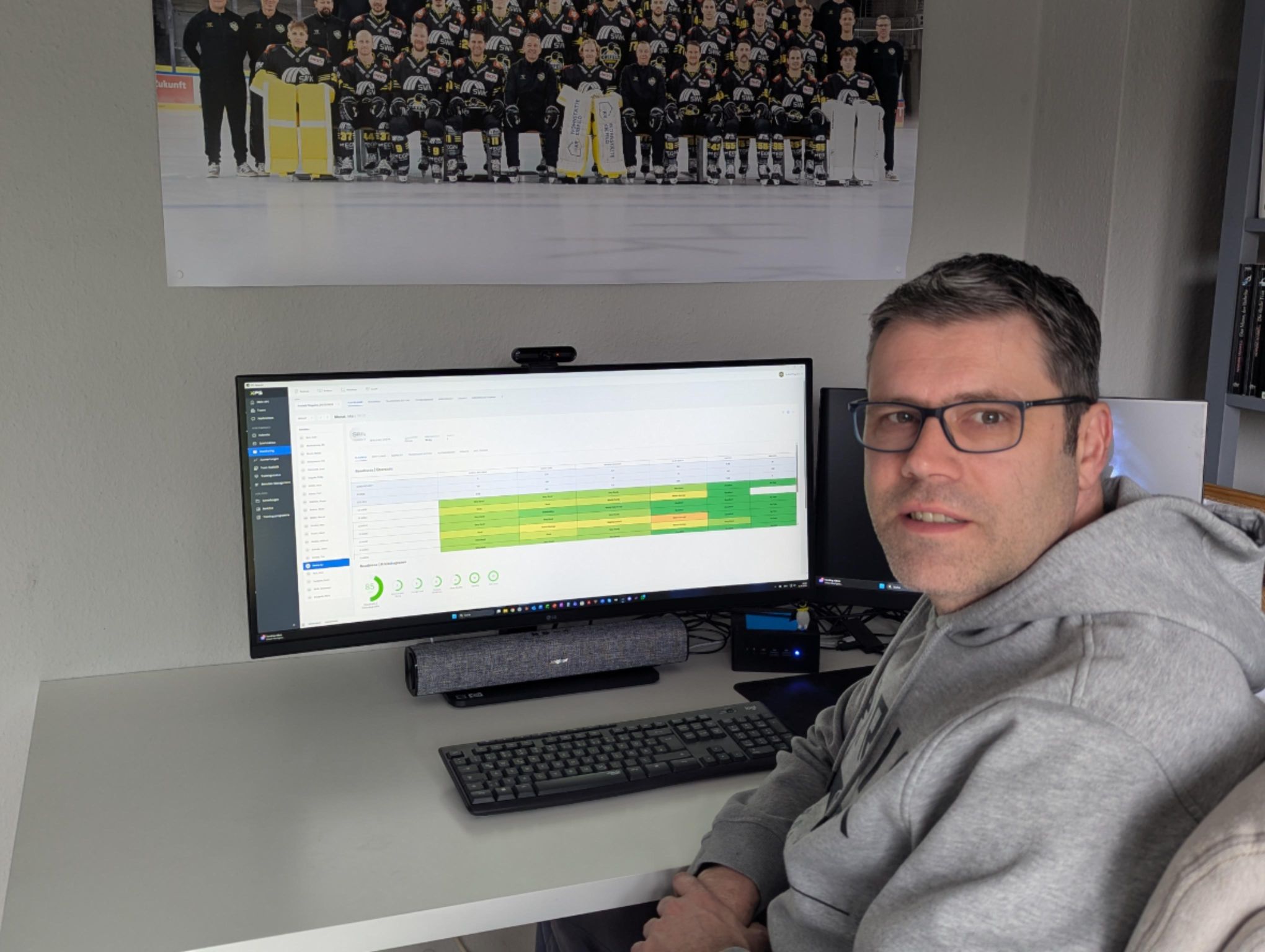
“XPS has helped us improve communication and player health management significantly,” he explains. “The readiness questionnaires give us the opportunity to identify workload issues early and work more proactively from a preventative perspective.”
Just as importantly, the club wanted players themselves to become more involved in the process rather than simply receiving information from staff. According to Schuchmann, improving transparency inside the group helped create stronger acceptance throughout the team environment.

“It was also important for us to bring the players along in the process and create a high level of acceptance within the team,” he says.
Inside the organisation, the work never stopped after promotion became realistic. Even during successful stretches, the focus remained on improving daily standards and continuing to build stronger foundations around the team. That mentality gradually became part of the club’s identity throughout the four-year climb back to the DEL.
For Krefeld, returning to the DEL was never only about winning a championship.
It was about rebuilding the organisation step by step after one of the most difficult periods in the club’s recent history and creating structures capable of supporting long-term success at the top level again.
In modern hockey, where demands continue increasing both on and off the ice, the club believes efficient daily processes, communication, and connected departments can become just as important as talent on the roster. As Schuchmann explains, the goal was always to think ahead rather than wait for problems to appear later.
“It was important for us not to wait until challenges appear, but to create professional structures and solutions early on,” he says. “With XPS, we want to continue the path we’ve started and further professionalise the organisation off the ice as well.”
For Krefeld, the work also does not stop with promotion. The organisation sees the return to the DEL as another step in a much bigger long-term process of building sustainable structures around the club.
“The demands in many areas will continue to increase,” Schuchmann explains. “That’s why it was important for us to establish structures early that can support us long term and help drive sustainable development.”
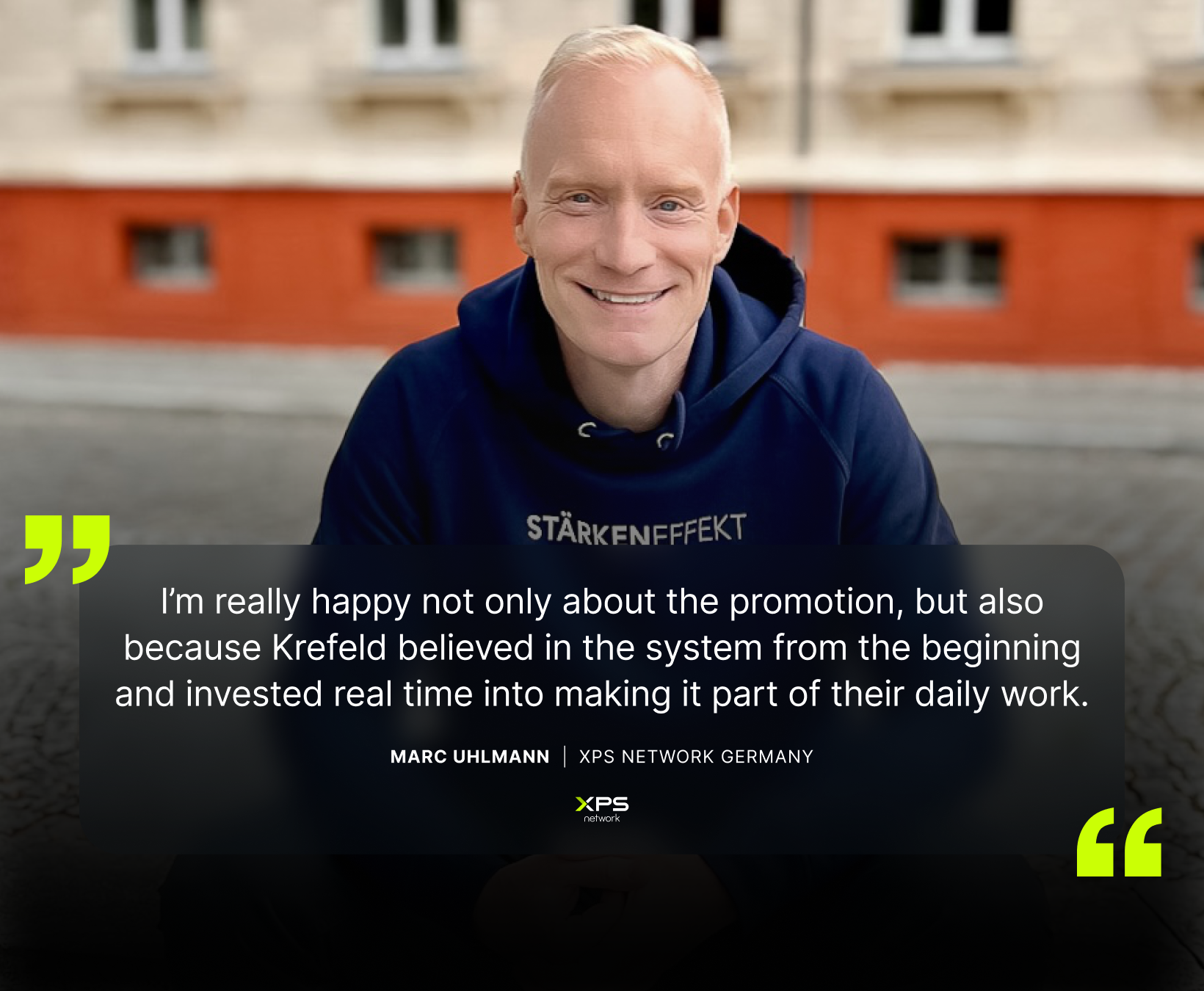
Throughout that process, the collaboration between the club and Sideline Sports also grew far beyond a standard software implementation. According to Marc Uhlmann, one of the biggest reasons for the successful adoption of XPS in Krefeld was the commitment from inside the organisation itself.
“A big part of making XPS work inside a club is having someone who really takes ownership of it internally,” Uhlmann says. “Marco Schuchmann got up to speed with the system very quickly in Krefeld and has become one of our top users. His curiosity and willingness to keep learning helped the Penguins adopt XPS across the organisation in a very natural way.
I’m really happy not only about the promotion, but also because Krefeld believed in the system from the beginning and invested real time into making it part of their daily work.”
Schuchmann also wanted to acknowledge the role Uhlmann played throughout the process, adding: “Of course, we would also like to thank Marc Uhlmann for his incredible support throughout the entire process.”
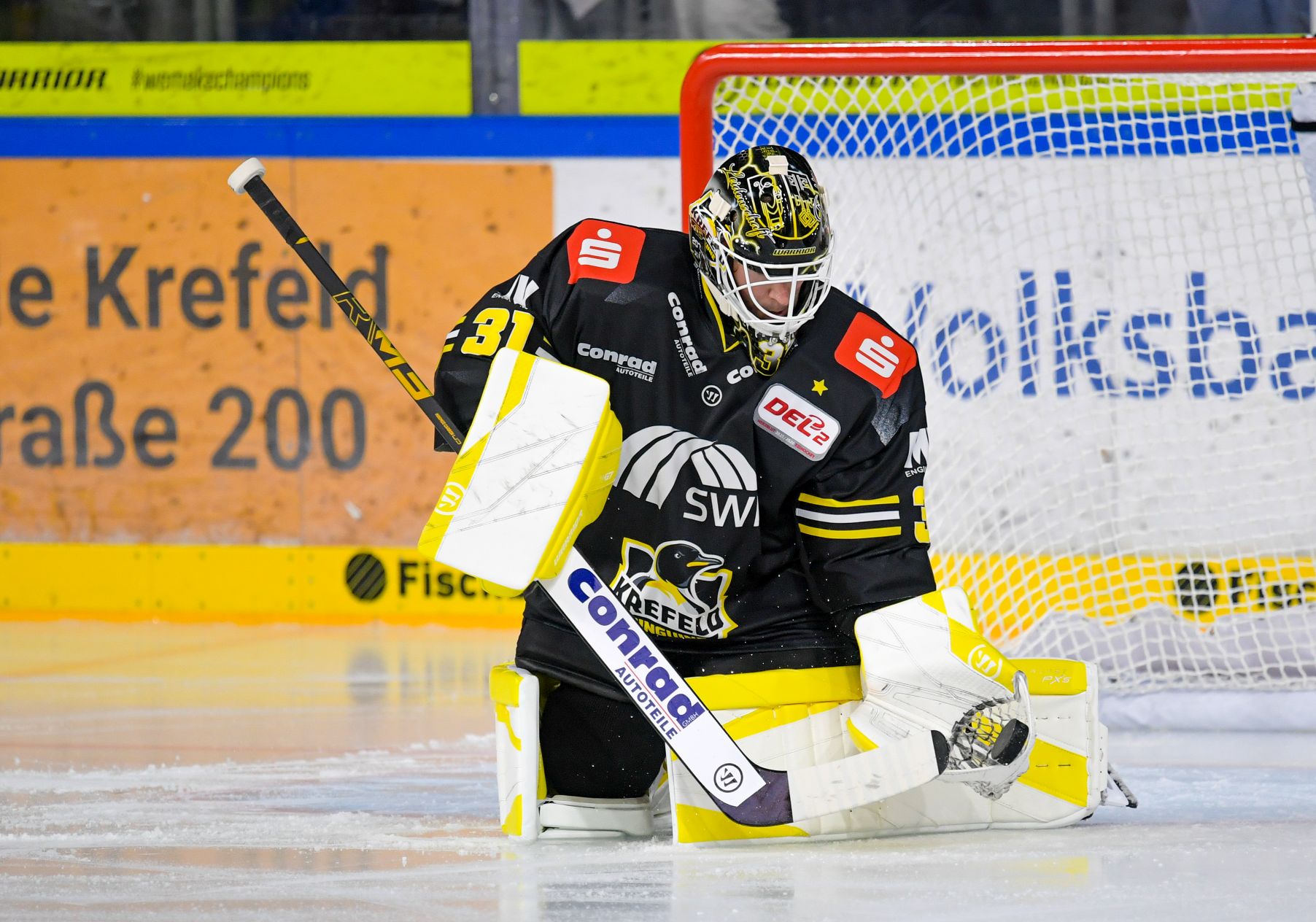
Foto: Christoph Jürgens

In Pardubice, hockey is not just a sport. It is part of the city’s identity. For generations, HC Dynamo...
Read More
We’re excited to announce that XPS Network will be part of Hockey Performance Xchange 2026 as an official event...
Read More
Few clubs in European hockey can match the consistency of Tappara Tampere. With a record number of Finnish championships...
Read MoreThank you!
Our representative will get back to you soon with time suggestions for an online meeting.
If you have any questions contact us at support@sidelinesports.com
Schedule a short online meeting with our representative
Try free XPS 14-days trial right now No credit card required


