


Back to the DEL: How Krefeld Pinguine Rebuilt the Club After Relegation
In 2022, relegation hit Krefeld Pinguine hard. For one of Germany’s most historic hockey clubs, dropping out of the...
Read More
May 13, 2026
7 min reading
In Pardubice, hockey is not just a sport. It is part of the city’s identity.
For generations, HC Dynamo Pardubice has sat at the centre of Czech hockey culture. Founded in 1923, the club has won seven national championships across the Czechoslovak and Czech leagues, while producing legendary names like Dominik Hašek and Vladimír Martinec along the way.
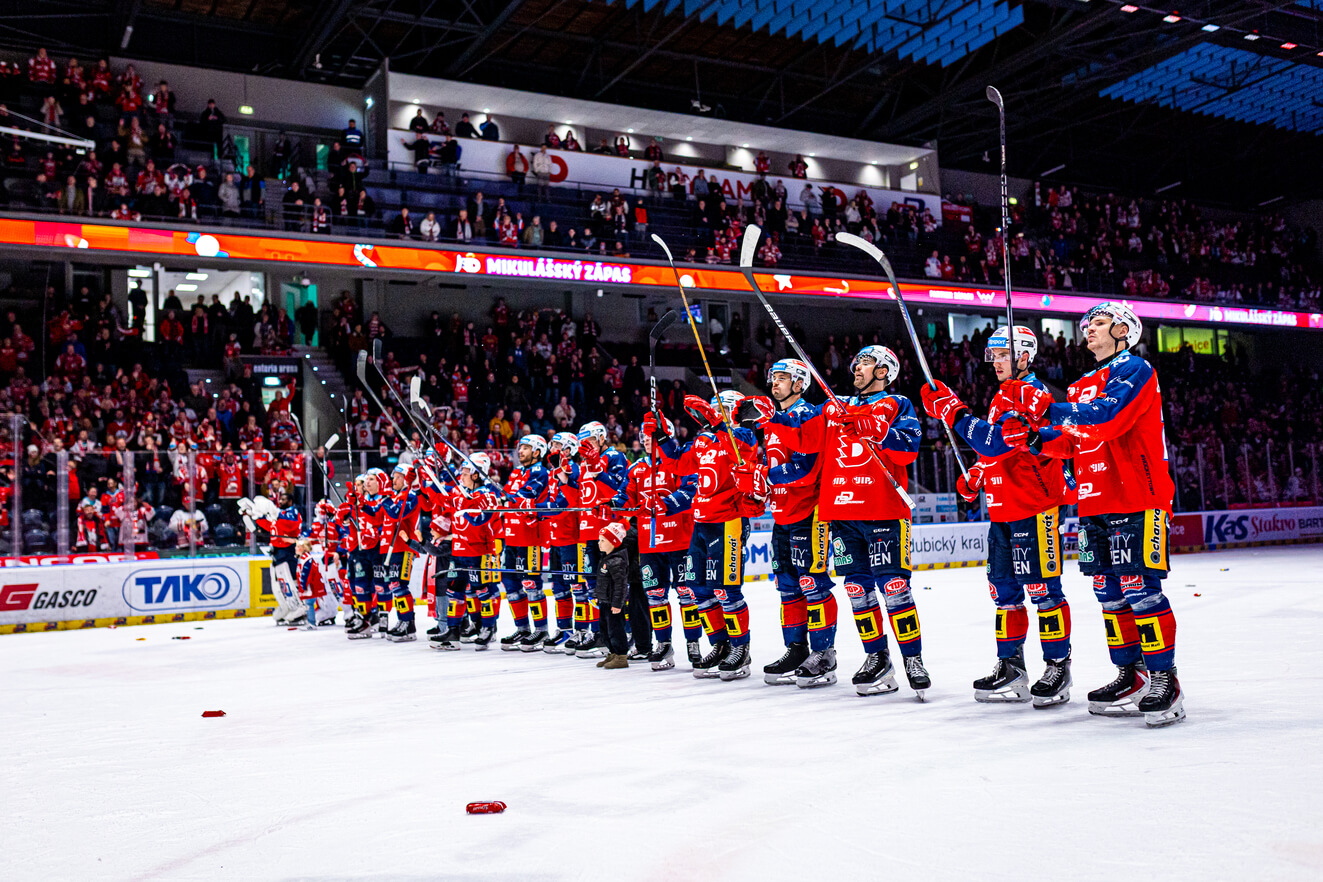
And after years of near misses and finals heartbreak, Dynamo finally brought the title back to Pardubice in 2026, ending a 14-year wait for a championship and delivering the club’s first Czech Extraliga title since 2012. In the latest XPS Stories episode, staff across the organization share how the club approaches long-term player development, rehabilitation, and performance management.
But behind the success of the elite team is something much bigger than a single championship season. Across the entire organisation, from academy players learning how to prepare for training, to coaches tracking long-term development and performance staff managing player readiness, Dynamo Pardubice has built one connected environment where every department works from the same information and every player follows the same pathway.
For the club, the focus was never simply on planning training sessions or collecting performance data. The goal was to create a structure capable of supporting coaches, performance staff, rehabilitation teams and players throughout the entire development pathway.
According to Data Analyst Patrik Moučka, one of the biggest priorities was improving how information moved across the organisation and making sure player development could be tracked consistently over multiple seasons. As he explains, “We were looking for something that could combine fitness training, technical and mental sides of performance and injury management. Everything together, in one package.”
Before implementing XPS, long-term monitoring across the academy was difficult to maintain. Different coaches worked in different ways, information was often stored locally, and player records became harder to follow over time as staff and league structures changed.
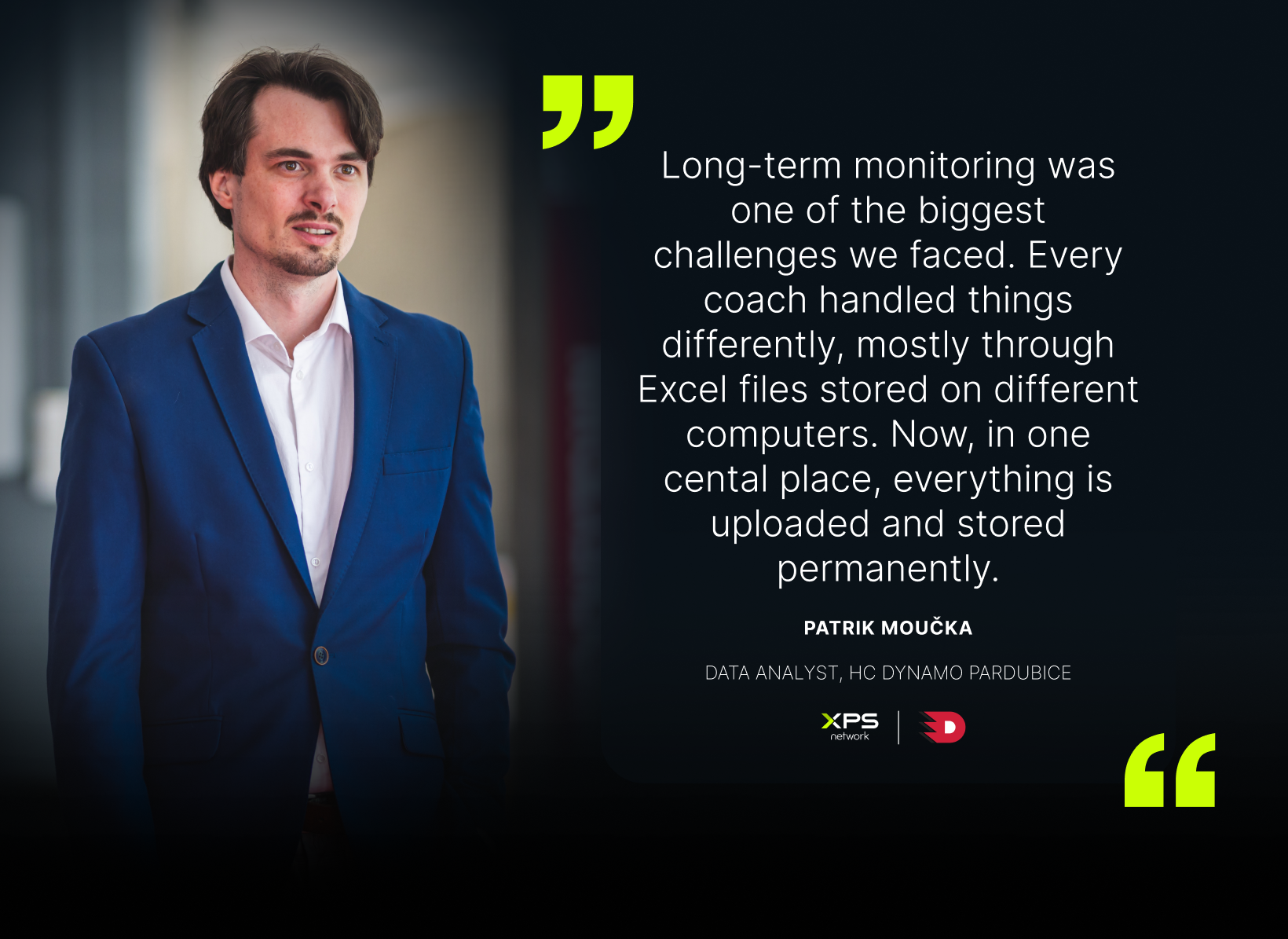
Today, evaluations, testing data, coach feedback, questionnaires and development goals remain accessible across the club, helping staff maintain a clearer overview of player progression from year to year. Moučka says this continuity has completely changed the way the organisation operates: “Long-term monitoring was one of the biggest challenges we faced. Every coach handled things differently, mostly through Excel files stored on different computers. Now, in one central place, everything is uploaded and stored permanently.”
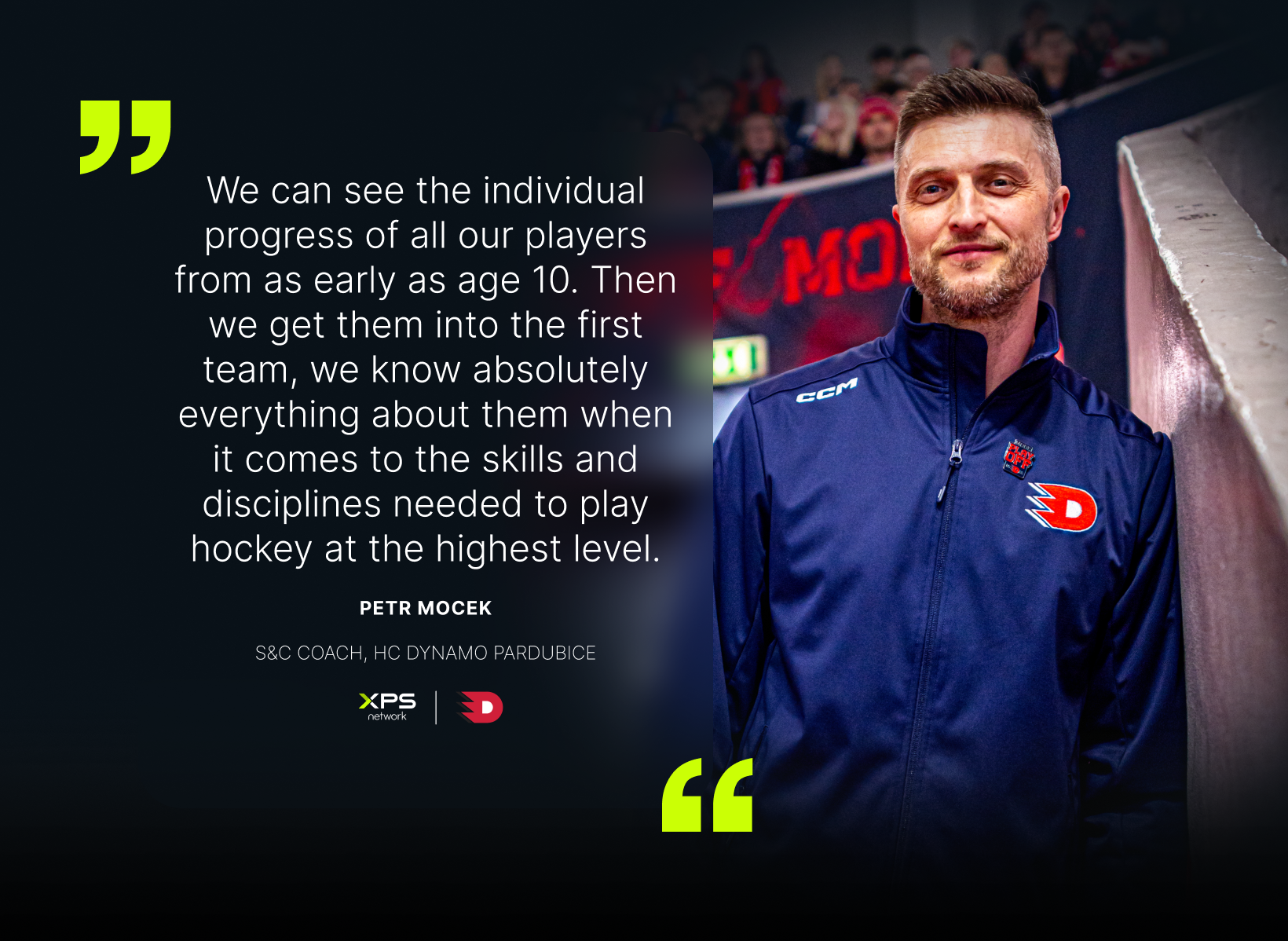
One of the biggest advantages for the performance staff is having a complete overview of players from a very early age. Strength & Conditioning Coach Petr Mocek says the club can now follow player development from around the age of 10 all the way into the senior environment, giving coaches a much clearer understanding of each athlete before they ever reach the first team.
“We can see the individual progress of all our players from as early as age 10,” says Mocek. “Then we get them into the first team, we know absolutely everything about them when it comes to the skills and disciplines needed to play hockey at the highest level.”
Inside the monitoring process, coaches evaluate players across multiple categories including skating, puck control, transitions, shooting, passing and technical development. The information is then processed through XPS calculated tests to create clear player overviews and long-term tracking.
For the staff, simplicity has become one of the biggest benefits. Instead of spending time navigating through multiple systems, coaches can quickly access the information they need from one place, even directly from their phone. Moučka explains that even integrated performance data has become significantly easier to work with: “The strength & conditioning coach doesn’t need to go through Catapult filters anymore. The on-ice loads are visible directly in XPS, which presents the data in a much clearer and simpler way. I can instantly see everything in one table without clicking through multiple screens.”
Inside the academy, the structure goes far beyond simply organising practices. Training schedules, detailed session plans, drills and exercise libraries are shared with players ahead of time, helping them prepare before stepping onto the ice.
For U15 Assistant Coach Jakub Martinec, progression and consistency are built directly into the process. “First week, the players get familiar with the exercises. Second week, we progress them to make things more challenging. By the third week, the goal is to execute everything at the highest level.”
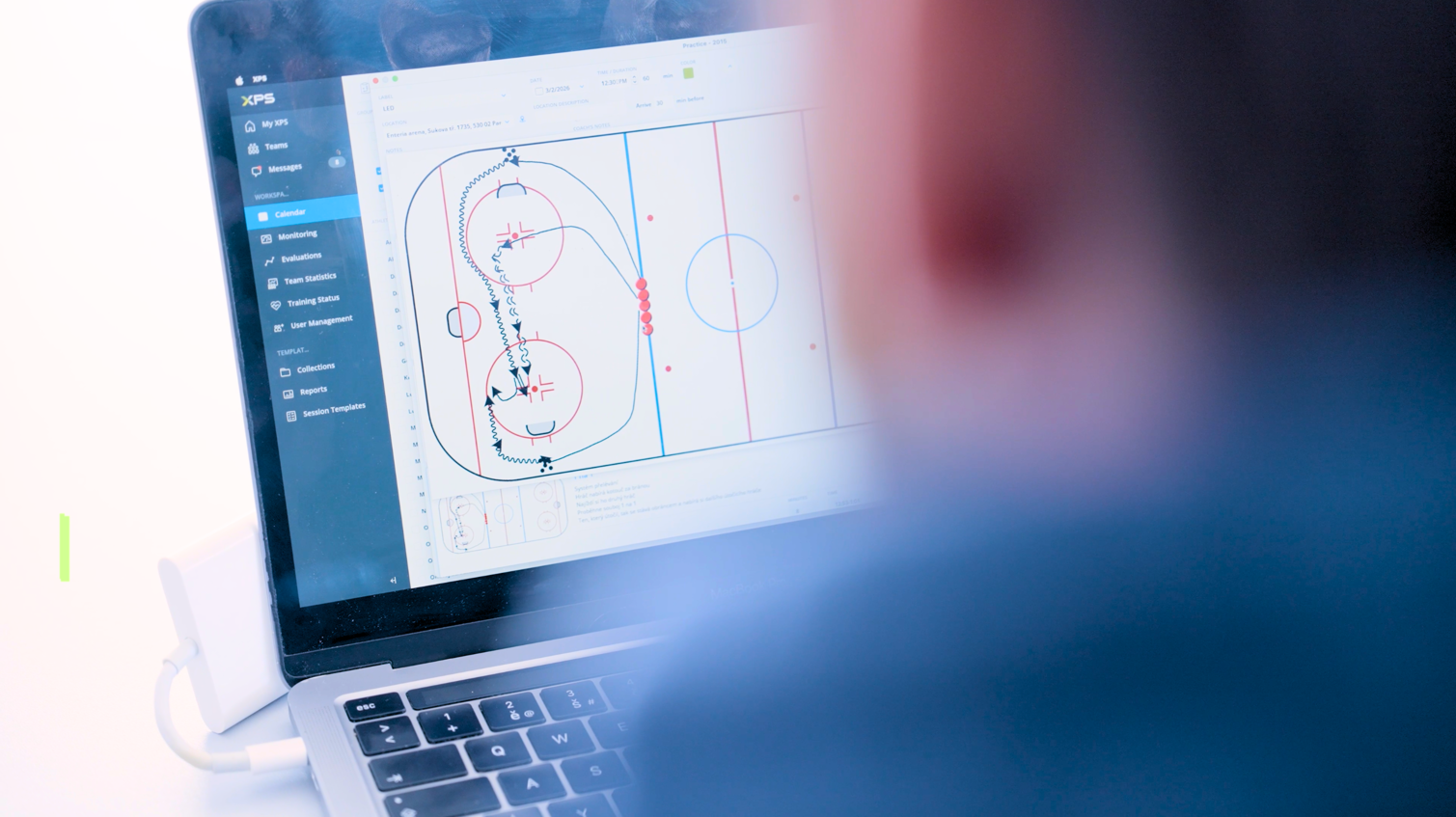
But for the coaches, the system is not only about planning practices. It is about creating structure and responsibility around the daily routine of being an athlete. Players know in advance what each session will involve, what time they need to arrive, and how they should prepare for training. Over time, that consistency becomes part of the club’s wider development philosophy, helping young players build habits that will later be expected in professional hockey environments.
U16 Head Coach Marek Hemský believes that daily structure plays a major role in preparing players for the next level. “We add detailed training plans to the calendar, so the players know a day in advance what they’ll be doing. It’s building the routine of preparing properly for each session. Long term, we create professional habits for higher-level hockey.”
Across the academy, players use the XPS mobile app to stay up to date with training schedules, session content and club communication, while parents also remain connected and informed throughout the process.
The same connected structure extends into player health and rehabilitation. At Dynamo Pardubice, medical staff track health data across the entire organisation, from academy players all the way through to the professional team. Rehabilitation progress, Catapult integrations, VALD performance testing and workload management are all connected inside the same environment, helping coaches and medical staff make clearer decisions around player readiness and return-to-play.
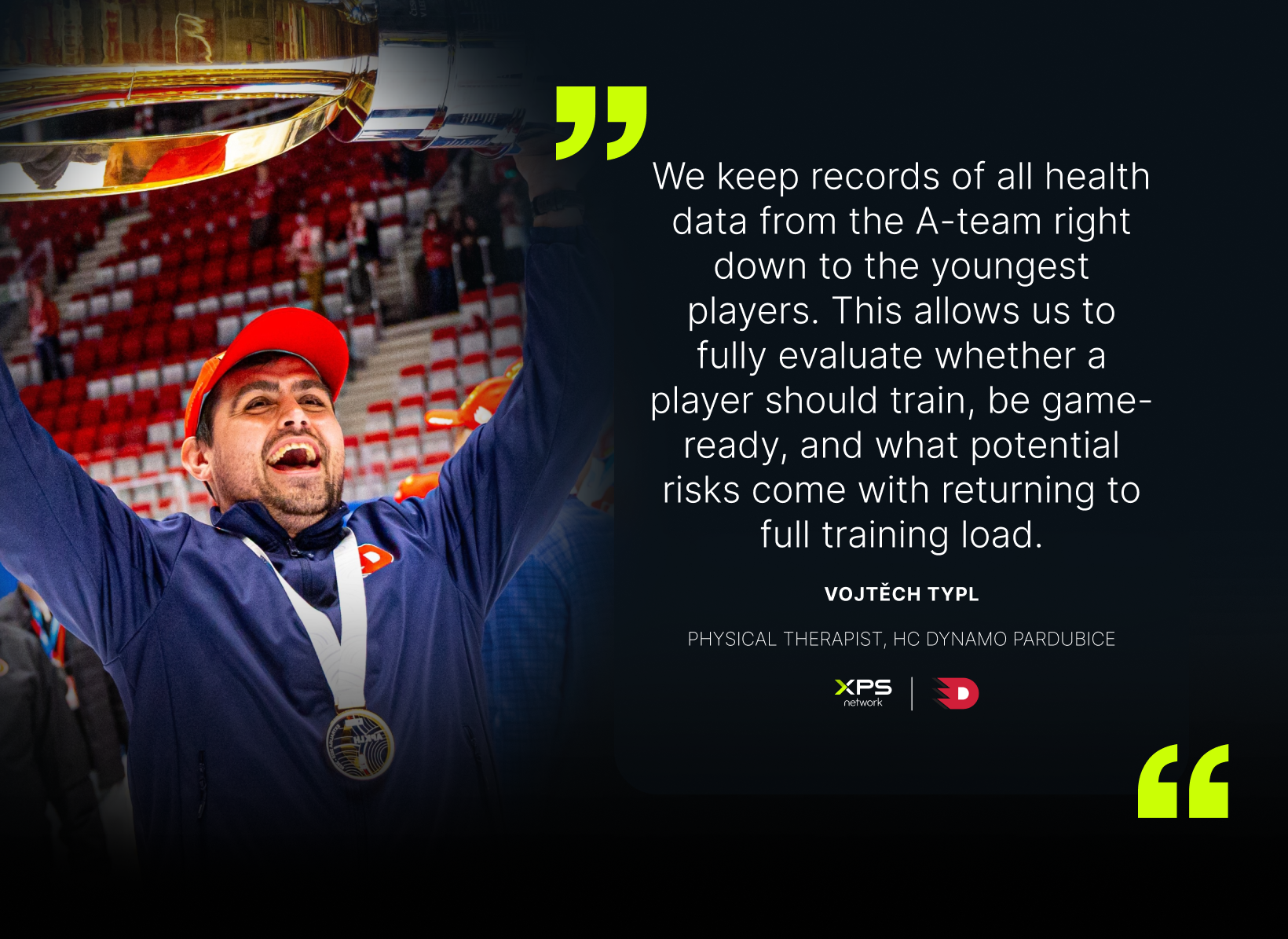
Head of Rehabilitation Vojtěch Typl says the ability to centralise this information has transformed how the club manages risk and player availability. “We keep records of all health data from the A-team right down to the youngest players. This allows us to fully evaluate whether a player should train, be game-ready, and what potential risks come with returning to full training load.”
Players themselves also remain connected to their own recovery process throughout rehabilitation. Forward Jan Mandát says that visibility helps players stay engaged during treatment: “At any point during the treatment, I can check the health module and see the progress I’m making.”
At the end of each season, the club reviews injury trends across different age groups to better understand which injuries occur most frequently, whether certain issues continue repeating over time, and how training methods can be adjusted to improve prevention strategies throughout the academy.
Typl explains that this process allows the club to continuously refine how it develops and protects its athletes: “After the season, we evaluate which injuries occur most frequently and whether they repeat across different age groups. Based on this data, we provide recommendations to coaches and athletes on what they can include in training to help reduce and prevent injuries.”
At Dynamo Pardubice, the technology itself is not the focus. The real value comes from creating one shared environment where coaches communicate better, players understand expectations earlier, and every department works from the same information.
From the youngest academy players to the Extraliga champions, the club has built a system designed to support development at every stage. And in a city like Pardubice, where hockey means everything, that structure matters every single day.

In 2022, relegation hit Krefeld Pinguine hard. For one of Germany’s most historic hockey clubs, dropping out of the...
Read More
We’re excited to announce that XPS Network will be part of Hockey Performance Xchange 2026 as an official event...
Read More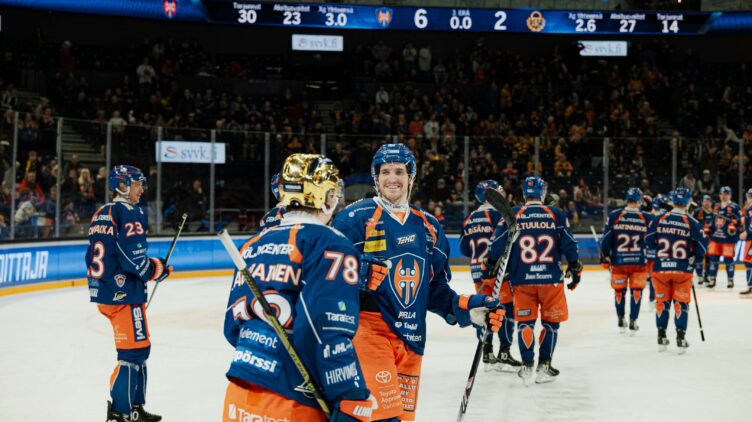
Few clubs in European hockey can match the consistency of Tappara Tampere. With a record number of Finnish championships...
Read MoreThank you!
Our representative will get back to you soon with time suggestions for an online meeting.
If you have any questions contact us at support@sidelinesports.com
Schedule a short online meeting with our representative
Try free XPS 14-days trial right now No credit card required


